Park Circle First-Time Homebuyer Guide for Smart Planning
June 4, 2026
June 4, 2026
Buying your first home in Park Circle can feel exciting and a little intimidating at the same time. You may love the neighborhood’s walkable layout, local businesses, and older homes full of character, but you also need a clear plan for what your budget can actually buy. This guide will help you understand the market, the housing options, and the tradeoffs first-time buyers often face here. Let’s dive in.
Park Circle is one of North Charleston’s most recognizable neighborhoods. City tourism materials describe it as a walkable garden community centered around a large park, with restaurants and shops along East Montague and in the Olde Village district.
The neighborhood also has a long history. North Charleston planning documents note that Park Circle was laid out in 1915 in a concentric Garden City style, and many homes in parts of the area date from 1915 to 1940.
For you as a first-time buyer, that means Park Circle offers a different feel than many suburban areas around Charleston. You are often choosing a neighborhood with mature character, an urban-style street grid, and a strong local identity instead of newer large-lot development.
One reason buyers are drawn to Park Circle is that it offers more than just houses. City tourism materials highlight parks, sidewalk dining, disc golf, festivals, live music, and the world’s largest inclusive playground.
That mix of amenities can shape how you think about value. In Park Circle, buyers are often paying not just for square footage, but for access to a neighborhood experience that feels active, connected, and easy to enjoy on foot.
If lifestyle matters as much as the home itself, Park Circle often stays high on the list. That is a big reason it can price more like an in-town destination than a typical starter-home area.
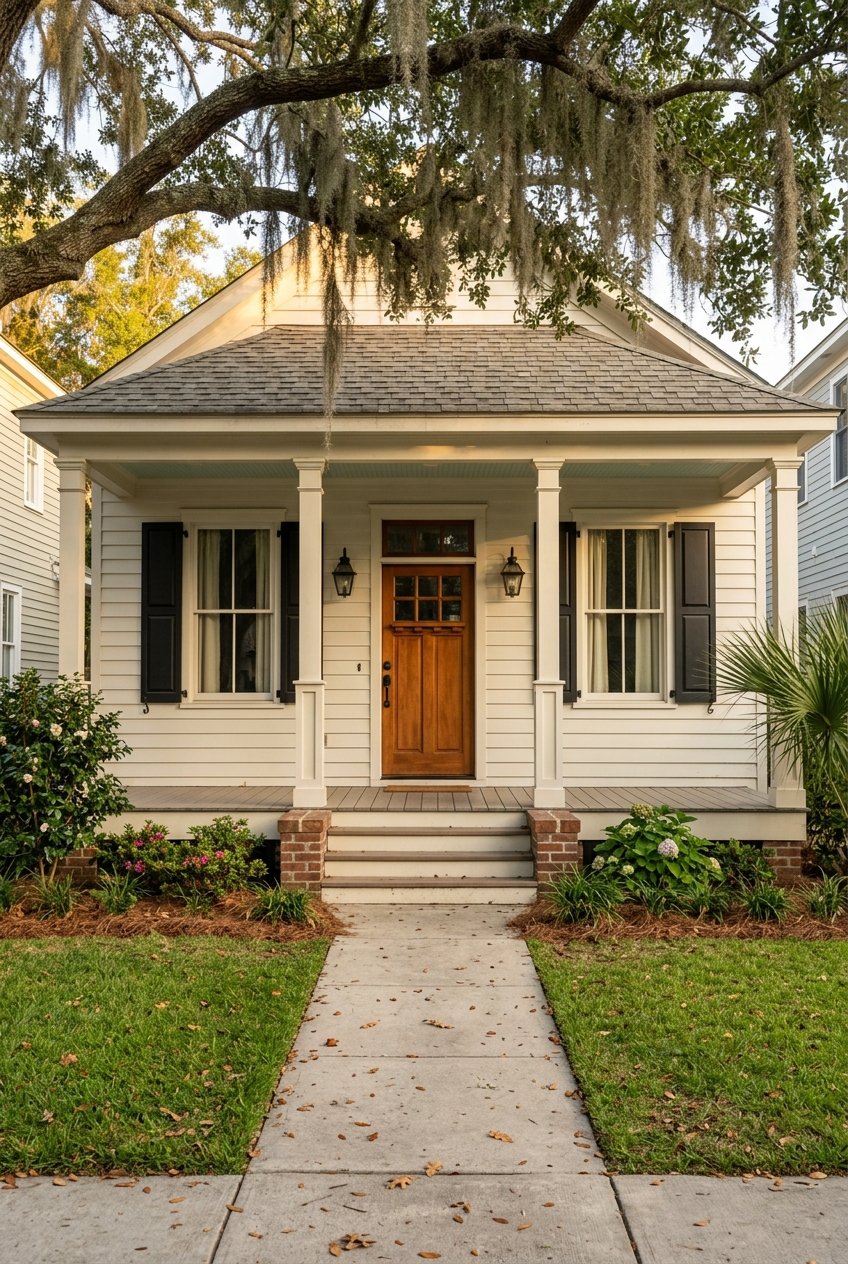
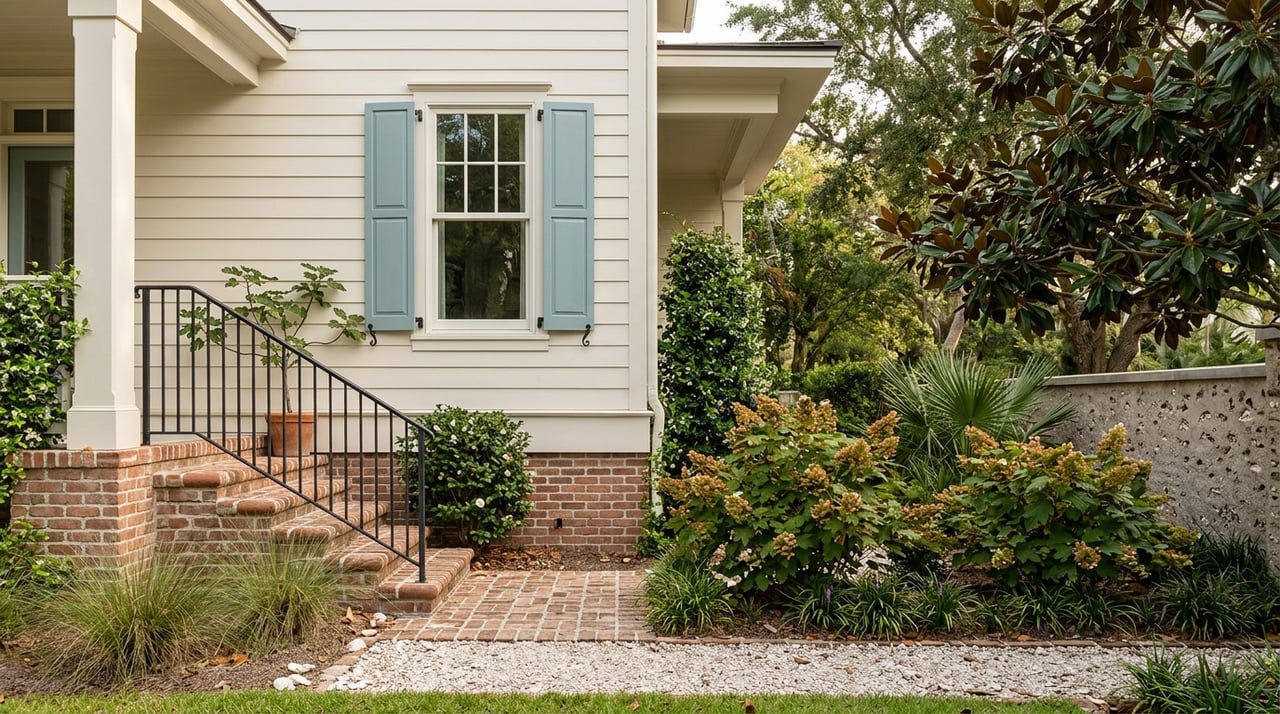
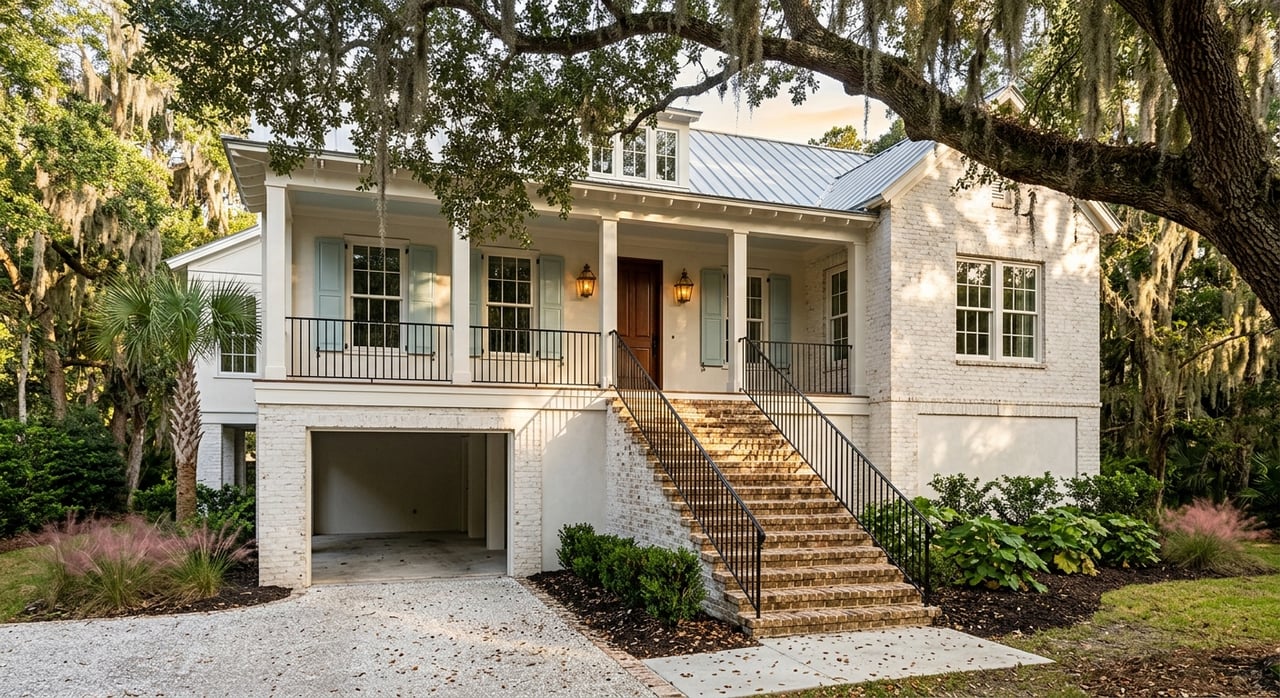
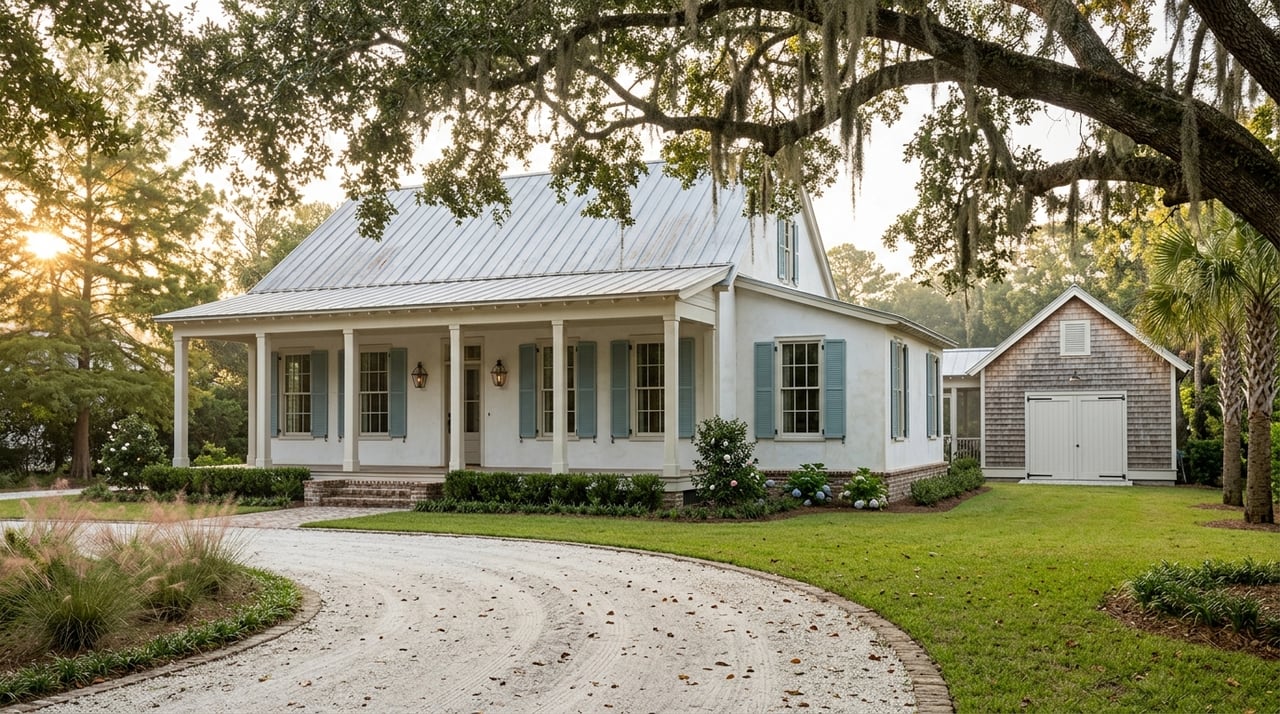
Park Circle has a mixed housing stock, but older single-family homes are a major part of the market. Recent sales have included renovated bungalows, cottages, brick ranches, and cottage-style homes with features like updated kitchens, open layouts, patios, fenced yards, front porches, and newer systems.
The neighborhood is not limited to detached homes. Recent activity has also included townhouses, a condo, and a multi-family property, which gives first-time buyers a few different entry points depending on budget and goals.
That variety is helpful, but it also means two homes with similar bedroom counts can feel very different in age, layout, and condition. In Park Circle, the details matter.
Because much of the neighborhood developed in the early to mid-20th century, condition can vary from one property to the next. Many listings highlight renovations, which is often a sign that updates have been important to marketability.
As you shop, you may need to weigh charm against maintenance, or location against the level of updating. A smaller renovated cottage close to the neighborhood core may compete with a larger home farther out or one that needs more work.
New construction exists in and around Park Circle, but it is generally priced above classic first-home territory. Current examples include townhomes marketed from about $549,900 and nearby new single-family homes from about $530,000.
These homes often feature open floor plans, quartz countertops, rooftop balconies, attached garages, and larger bedroom counts. If you want newer finishes and lower-maintenance living, you may need to budget well into the mid-$500,000s and above.
Park Circle is not a one-price neighborhood. Recent active inventory has included listings around $378,000 for a townhouse, about $399,000 for a three-bedroom home, several options in the $450,000 to $599,000 range, and renovated properties above $700,000.
In broad terms, budget-conscious buyers may still find smaller cottages and bungalows in the high-$300,000s to low-$400,000s. Larger renovated homes and newer infill construction often land in the $500,000 to $800,000 range.
That makes planning especially important for first-time buyers. If you are entering the market here, it helps to define early whether your top priority is price, condition, size, or a more central Park Circle location.
Over the three months ending April 2026, Park Circle’s median sale price was $594,779. During that same period, homes had a median of 74 days on market and a 96.5% sale-to-list ratio.
What does that mean for you? The market still calls for preparation, but it does not necessarily suggest a frenzy in every price point. Buyers may face competition, while still having some room to negotiate depending on the property, its condition, and how it is priced.
This is where a step-by-step plan matters. In a layered market like Park Circle, timing and expectations can make a real difference in your experience.
If you are deciding where to buy your first home, it helps to compare Park Circle with nearby options. Park Circle sits above North Charleston overall, where the median sale price was $374,806, and above nearby areas such as Hanahan at $433,776, West Ashley at $489,818, and Summerville at $360,000.
It is also just below Charleston citywide at $614,500 and far below Mount Pleasant at $880,000. In practical terms, Park Circle often prices closer to Charleston proper than to the more budget-friendly suburban alternatives many first-time buyers consider.
That does not make Park Circle the right fit for everyone. It means you should be clear about what you are paying for and whether that lifestyle premium matches your goals.
Buying in Park Circle usually starts with honest planning. Before you tour homes, it helps to define both your target monthly payment and your comfort level with older-home upkeep.
Here are a few smart ways to prepare:
This kind of prep can save you time and reduce stress. It also helps you move faster when the right home appears.
Park Circle can be a strong first-home choice if you want a neighborhood with a distinct identity, local businesses, parks, and a more connected feel. For many buyers, the appeal is less about getting the most house for the money and more about buying into a place they genuinely enjoy living in every day.
It may be a fit if you are comfortable with an older-home or infill-home tradeoff and understand that prices often sit above other first-time-buyer options nearby. If your budget is tighter and flexibility matters more than walkability or neighborhood character, other parts of the Charleston area may offer more room.
The key is not just asking, “Can I buy in Park Circle?” A better question is, “Does Park Circle fit the life I want and the budget I can comfortably sustain?”
If you want help thinking through that question, working with a local advisor can make the process much easier. Marie Pohlman offers a clear, education-first approach to buying in the Lowcountry, so you can move forward with confidence.
If you're wanting a Real Estate Agent with exceptional communication, unwavering patience, extensive knowledge of the Lowcountry's market, and one that produces results, please don't hesitate to reach out!