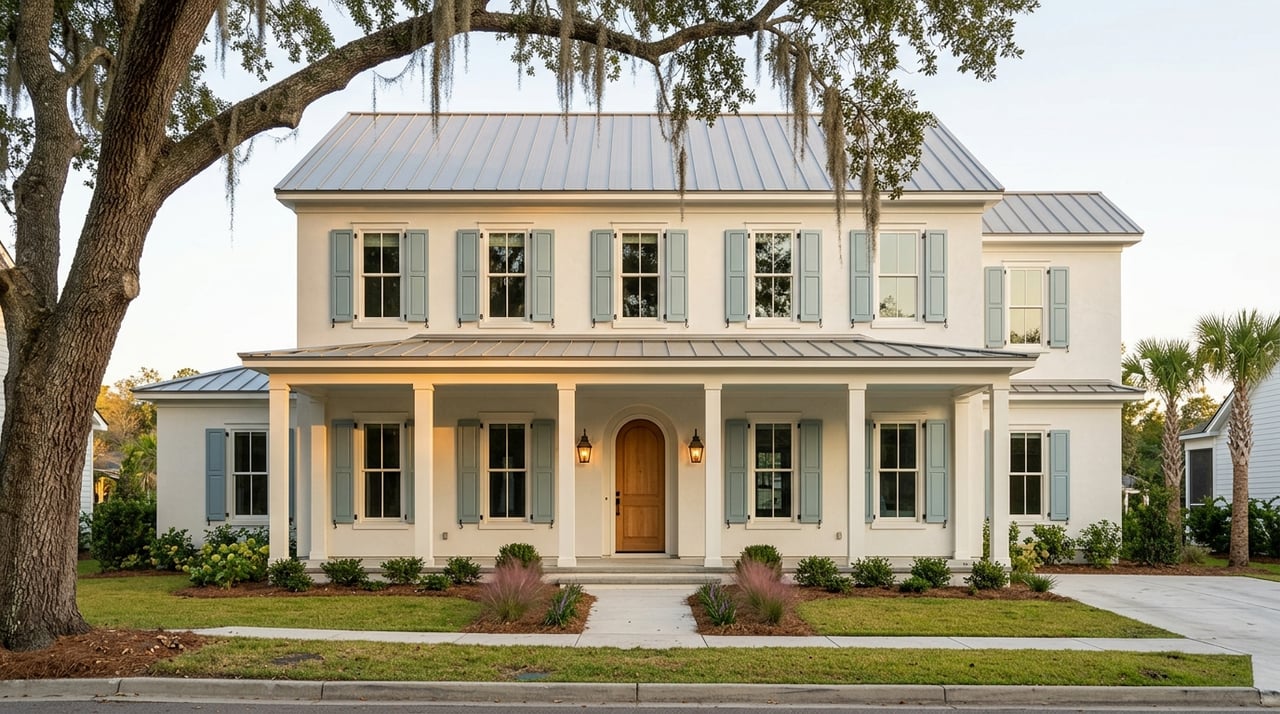
Summerville New Construction Homes or Older Neighborhoods?
June 11, 2026
June 11, 2026
Buying in Summerville often comes down to one big question: do you want the polish and amenities of new construction, or the character and flexibility of an established neighborhood? If you are weighing both, you are not alone. Summerville’s continued growth, its access to major job centers, and the wide mix of community styles mean either option can make sense depending on how you live. This guide will help you compare the tradeoffs clearly so you can make a more confident move. Let’s dive in.
Summerville continues to attract buyers for good reason. The town’s population reached 53,177 in July 2025, and its location near Charleston and other employment centers has helped drive both residential and commercial development. For buyers, that means you can find everything from newer master-planned communities to older neighborhoods with mature trees, larger lots, and a more varied streetscape.
It also means your decision is not just about the house itself. You are often comparing lifestyle, monthly carrying costs, lot size, commute patterns, maintenance expectations, and even which local jurisdiction applies to the property. In a market like Summerville, those details can shape your day-to-day life just as much as square footage or finishes.
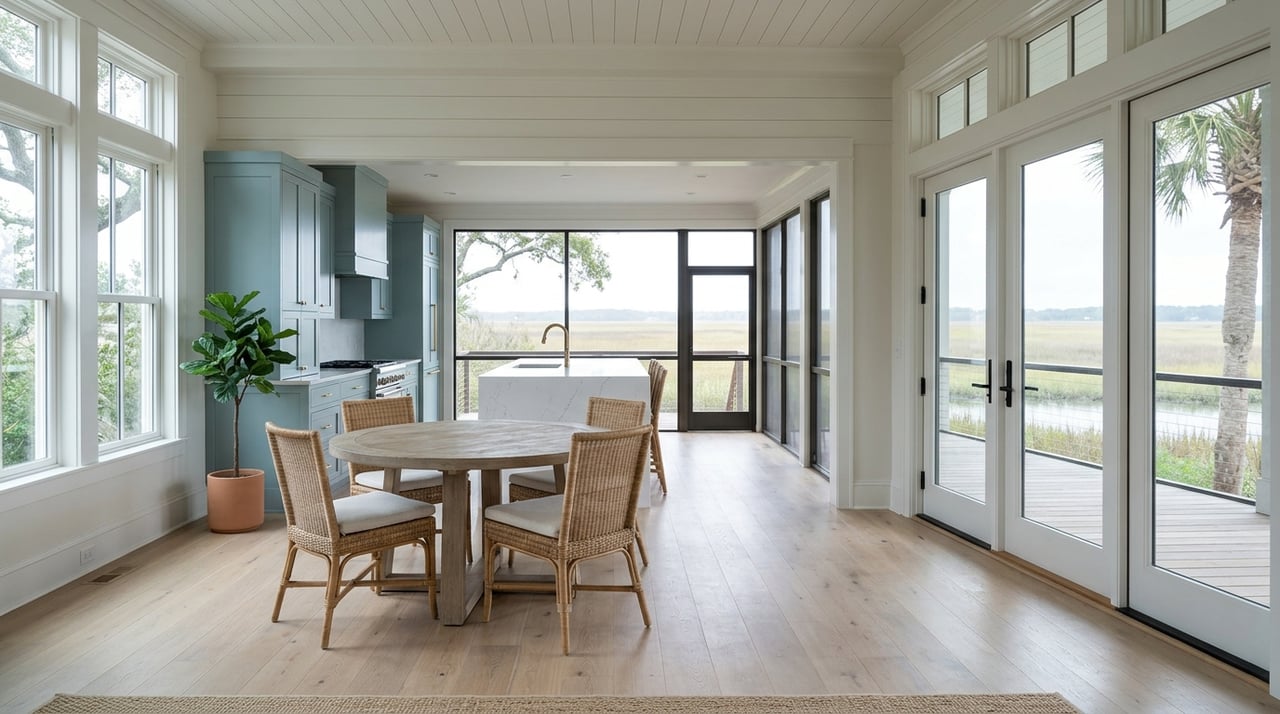
In and around Summerville, much of the new construction conversation centers on master-planned communities. Places like Nexton and Summers Corner highlight amenities such as trails, parks, pools, clubhouse spaces, dog parks, pickleball, and walkable access to shops or gathering areas. If you like the idea of a more packaged lifestyle, this can be a major advantage.
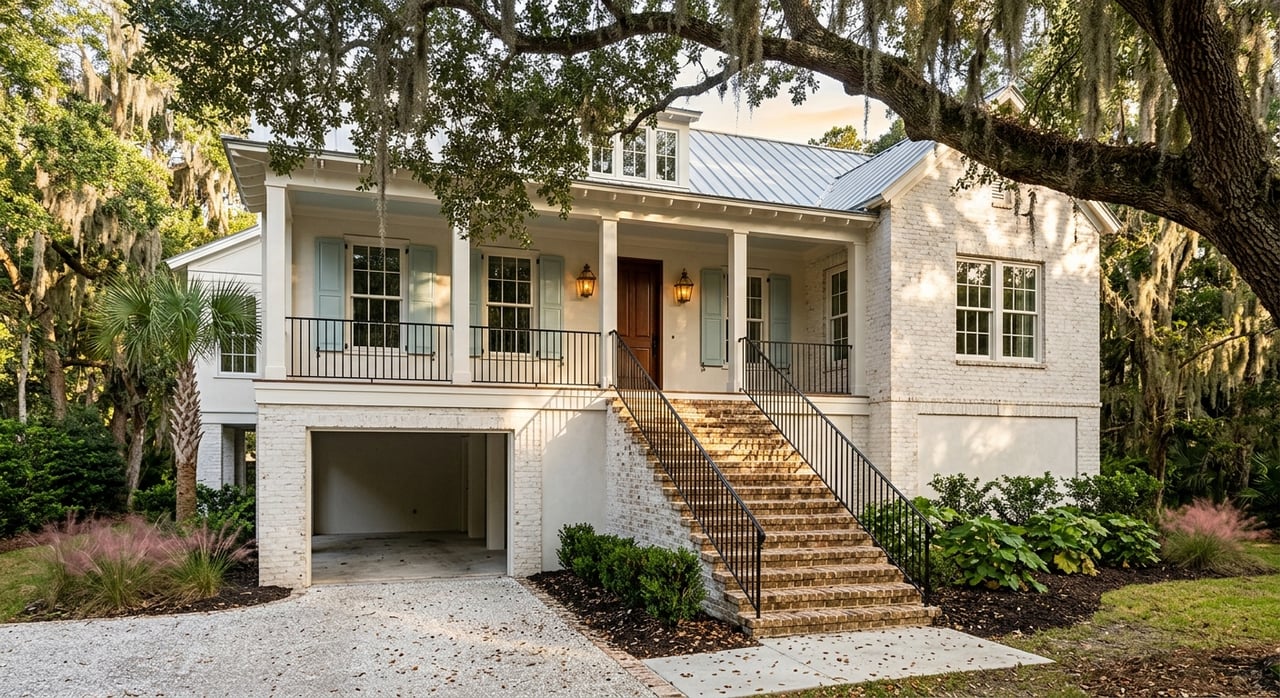
New construction can also bring a sense of predictability. Streetscapes are often more uniform, floor plans may be designed for current preferences, and some communities bundle exterior maintenance, landscaping, or building insurance into the cost structure for certain home types. That can appeal to buyers who want convenience and fewer near-term repair concerns.
At the same time, it is important to remember that published prices and features are snapshots. Nexton notes that base prices exclude lot premiums and that availability can change without notice. That is one reason it helps to compare not just the model home experience, but the full monthly and annual cost of ownership.
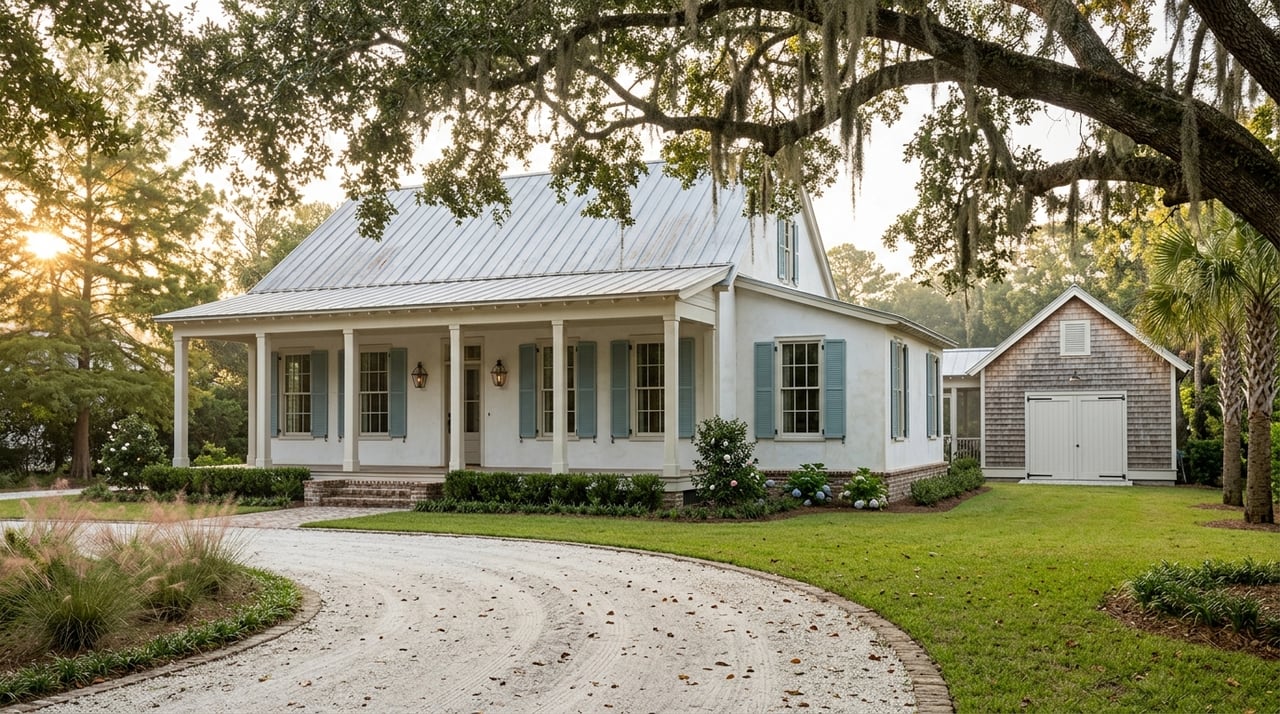
Established neighborhoods in Summerville tend to appeal to buyers who value space, maturity, and individuality. In places like Walnut Farms, homesites in Phase I are a minimum of one acre, and the neighborhood is known for large wooded lots. In the downtown Historic District and communities like Pine Forest Country Club, public listing examples also show a wider range of lot sizes and more variation in home style and setting.
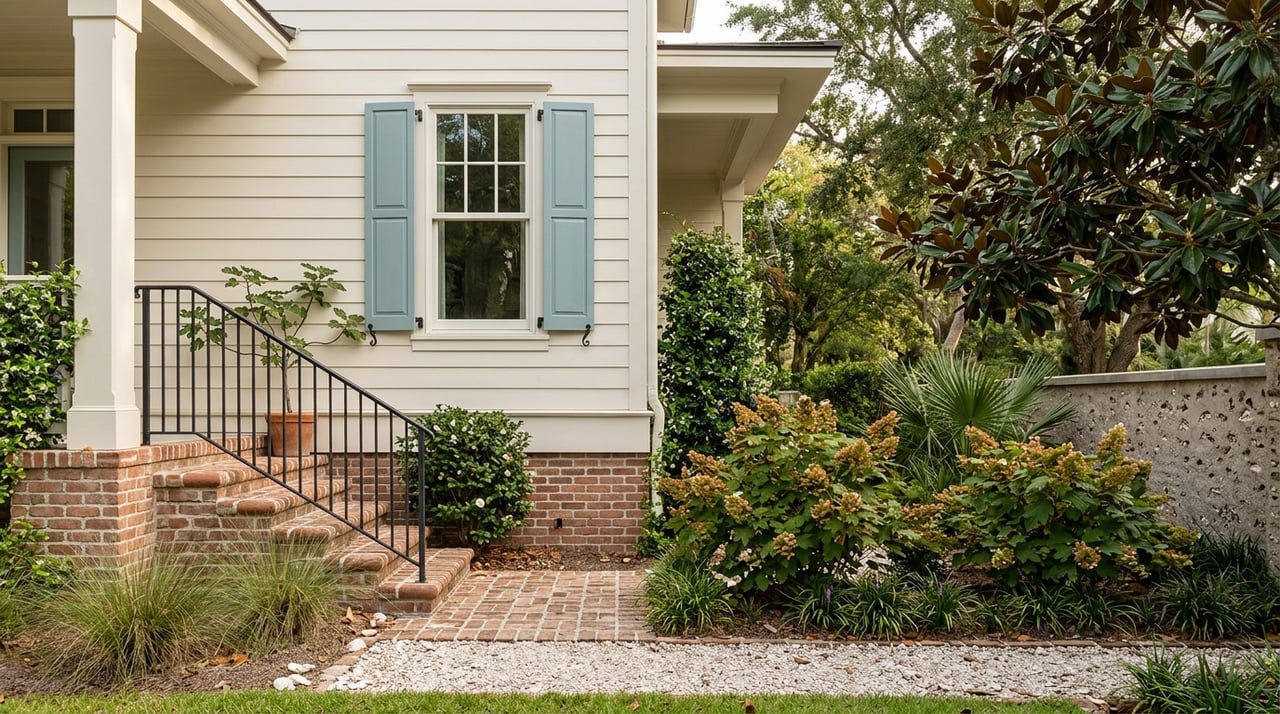
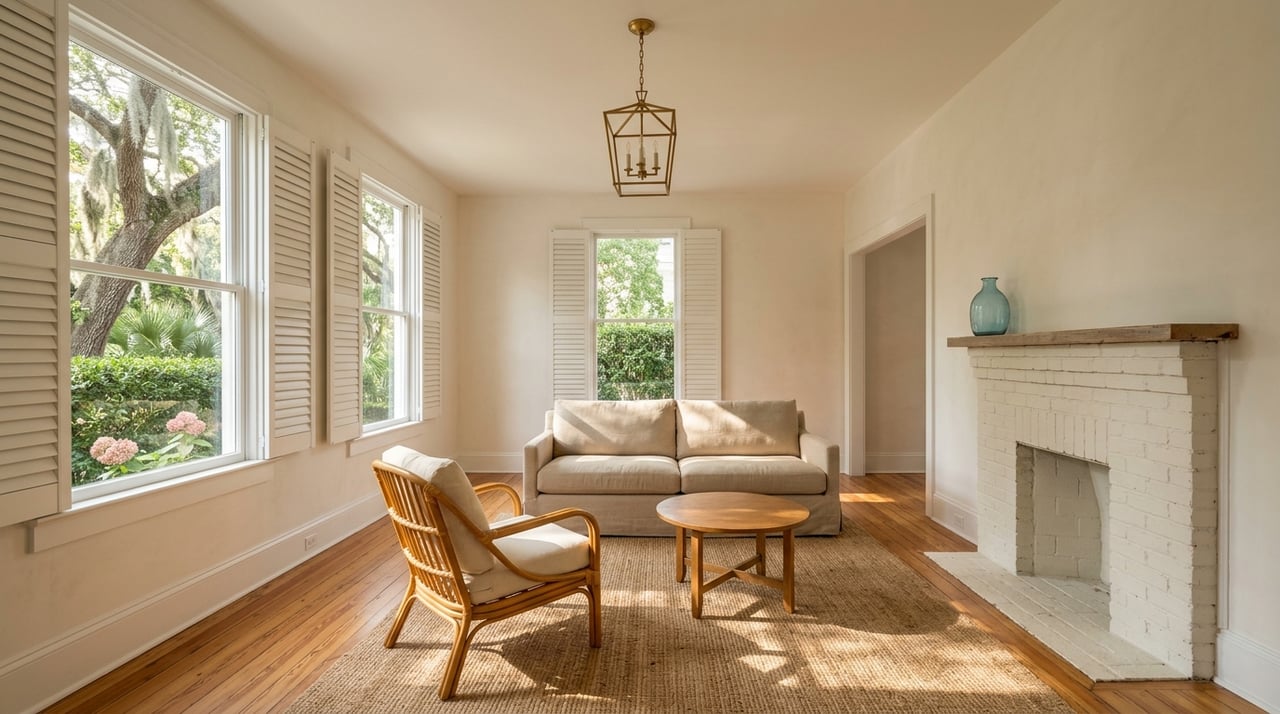
That variety can be a real benefit if you want a property that feels less uniform. Older neighborhoods may offer tree-lined streets, more visible separation between homes, and mature landscaping that would take years to recreate in a brand-new community. For many buyers, that sense of established character is a meaningful part of the appeal.
The tradeoff is that older homes and older neighborhoods may require more hands-on evaluation. Roof age, HVAC condition, prior updates, landscaping demands, and deferred maintenance all deserve closer attention during your search. That does not mean established is worse. It simply means the inspection and review process becomes even more important.
Lot size is one of the clearest differences between new construction and established neighborhoods in Summerville. In the sampled new-build listings from the research, lot sizes commonly fall in the roughly 4,800 to 8,700 square foot range. In established examples, lots range from 10,019 square feet to 1 acre or more.
For you, that may translate into a simple lifestyle question. Do you want a yard that is easier to maintain and more consistent from house to house, or do you want more outdoor space and more variation in homesite shape, tree cover, and privacy? Neither answer is right for everyone, but it is a question worth asking early.
If outdoor living matters to you, look beyond lot size alone. Mature landscaping, usable backyard shape, shade, and distance from neighboring homes can influence how spacious a property feels. In established neighborhoods, those factors are often less standardized, which can be either a benefit or a complication depending on the property.
One of the biggest practical differences between these two paths is how ownership costs are structured. In the cited Summerville examples, newer communities often shift part of your monthly or annual cost into HOA, POA, regime, club, or district-related charges. Sample figures in the research range from about $40 to $310 per month depending on the community and home type.
Some communities also layer in additional costs. For example, Nexton’s POA materials state that the community is in unincorporated Berkeley County, so residents do not pay Town of Summerville city property tax. Instead, they pay a similar annual improvement-district charge that is currently about $1,004.74. Summers Corner also notes future club-related membership and operating fees when its club opens.
Established neighborhoods can look very different on paper. Some Historic District listings show no HOA dues listed, Pine Forest examples show comparatively low HOA fees, and Walnut Farms is governed by a volunteer board. In many cases, lower recurring fees may also mean more owner responsibility for maintenance, landscaping, or property upkeep.
Maintenance is another area where your decision can affect both budget and peace of mind. Newer homes may reduce near-term repair exposure simply because systems and materials are newer. Community materials in some newer neighborhoods also highlight bundled exterior care, landscaping, or building insurance for certain housing types.
Established homes often come with a different maintenance profile. Listings may highlight roof replacement, transferable warranties, or update history, which suggests buyers should review the condition and age of major components carefully. You may gain more yard space or mature trees, but you may also inherit more upkeep.
This is where a process-driven home search matters. Looking at the purchase price alone rarely tells the whole story. A home with lower HOA costs but higher maintenance needs may or may not be the better fit for your finances and lifestyle.
Summerville’s mean travel time to work is 31.2 minutes, but that average does not tell you what your own commute will feel like. Different communities connect to different roads, employment centers, and traffic patterns. If you work in Charleston, near the airport, or in one of the major regional employment hubs, your actual drive time can vary meaningfully depending on where you buy.
For example, Nexton is centered near I-26 and 17A and markets convenience to employers such as Volvo, Mercedes-Benz Vans, and Boeing. Summers Corner notes that it is about 24 miles from Charleston and 18 miles from the airport. Those details can be helpful, but they are still not a substitute for testing your route during the times you would actually drive.
If commute matters to your household, build that into your decision early. A home that looks perfect on paper may feel very different after a week of peak-hour traffic. In a growing market like Summerville, location inside the region can be just as important as location inside the neighborhood.
This is an easy detail to miss, but it matters. Summerville spans portions of Dorchester, Charleston, and Berkeley counties, and not every Summerville mailing address falls under the same local rules or tax structure. The Town’s Planning Department oversees zoning, land use, annexation, smart growth, and development regulations through its Unified Development Ordinance, but some communities are outside town limits.
That means you should confirm whether a home is inside the Town of Summerville or in county jurisdiction. The answer can affect tax district, applicable planning office, and which local rules govern the property. It is especially important when you are comparing newer communities with established in-town neighborhoods.
If you are considering property in or near the downtown Historic District, there is another layer to know. The Town’s Board of Architectural Review reviews new construction, exterior modifications, and demolition within the Historic District, and design guidelines apply there. For buyers who love historic settings, that can help protect the area’s visual character, but it may also affect future renovation plans.
If you are torn between new construction and an established neighborhood, start by getting specific about your priorities. Most buyers are not really choosing between “new” and “old.” They are choosing between convenience and flexibility, amenities and space, lower repair risk and more character, or standardized planning and greater variety.
A simple framework can help:
In some cases, you may not have to choose so strictly. The research also points to brand-new construction inside an older setting, such as Pine Forest Country Club. That kind of option can offer newer systems and finishes while still placing you in a more established environment.
In Summerville, there is no universal winner between new construction and established neighborhoods. The better choice is the one that aligns with how you want to live, what you want to spend each month, how much maintenance you want to handle, and where you need to be during the week. Once you understand those tradeoffs, the search becomes much clearer.
If you want help comparing communities, fee structures, lot sizes, and day-to-day lifestyle factors in Summerville, Marie Pohlman offers the kind of clear, step-by-step guidance that can make your decision feel much easier.
If you're wanting a Real Estate Agent with exceptional communication, unwavering patience, extensive knowledge of the Lowcountry's market, and one that produces results, please don't hesitate to reach out!