Johns Island Lifestyle Guide for Nature and Space
July 2, 2026
July 2, 2026
If you picture home as a little more elbow room, more tree cover, and easier access to the outdoors, Johns Island likely belongs on your radar. This part of the Charleston area offers a very different feel from denser in-town neighborhoods, which is exactly why many buyers start looking here. In this guide, you’ll get a practical look at what Johns Island living can offer, what to watch for, and how to think about space, lifestyle, and housing choices before you make a move. Let’s dive in.
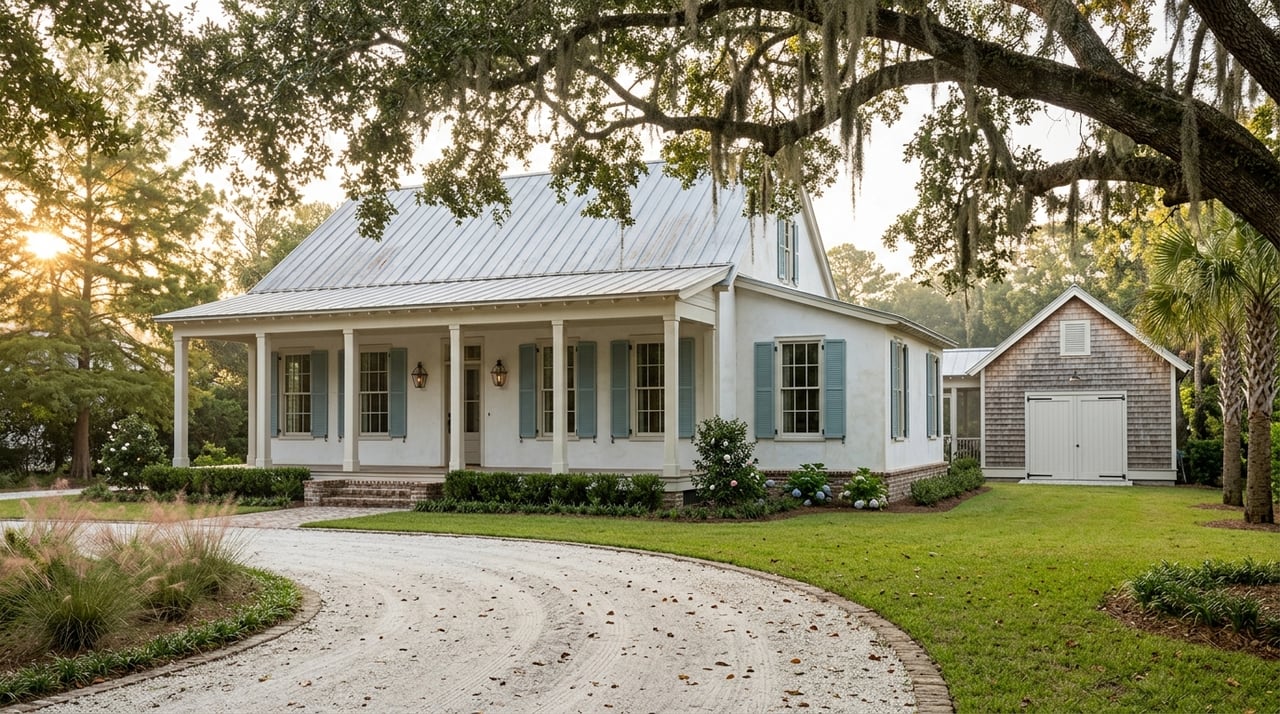
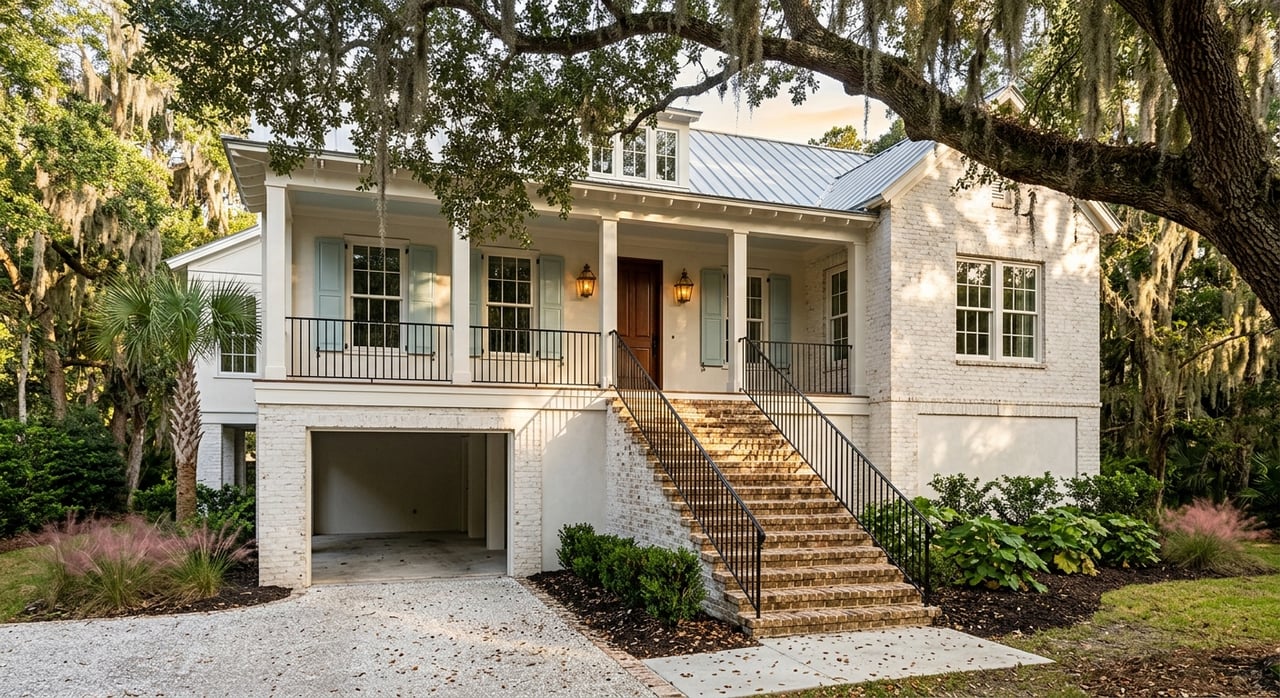
Johns Island is officially described by the City of Charleston as a rural sea island with tree-canopied roadways, marsh views, natural waterways, and historic places. That framing matters because it helps explain why the island often appeals to buyers who want a quieter, more land-oriented setting.
The 2007 Johns Island Community Plan also emphasizes maintaining rural character while supporting smaller niche agriculture and outdoor recreation. At the same time, the plan notes limited road capacity as an ongoing challenge. For you as a buyer, that means Johns Island can offer breathing room and natural scenery, but daily travel patterns are still an important part of the decision.
If you want outdoor access built into your routine, Johns Island has some strong draws. The island’s park system and planning documents point to a lifestyle centered on trails, marsh edges, waterways, and mature tree cover rather than dense urban activity.
That does not mean every property feels remote or rural. It means the broader identity of Johns Island is shaped by open land, natural views, and outdoor recreation in a way many buyers find appealing.
Johns Island County Park spans more than 700 acres. It includes equestrian trails, walking trails, mountain biking, archery, disc golf, birding, a dog park, and the Mullet Hall Equestrian & Event Center.
For buyers who value active outdoor time, this is a meaningful amenity. Whether you enjoy trail time, horseback activities, or simply having large green space nearby, the park adds to the island’s space-first appeal.
Stono River County Park adds another layer to the lifestyle. The park covers 85.5 acres and features marsh boardwalks and wooded trails along the Stono River.
If marsh views and quiet walks are part of what you want from Lowcountry living, this is the kind of setting that helps Johns Island stand out. It supports a slower, more scenic day-to-day rhythm.
Angel Oak Park is one of Johns Island’s best-known landmarks. According to the City of Charleston, the live oak is about 300 to 400 years old, stands 65 feet high, shades 17,000 square feet, and welcomes about 400,000 visitors each year. Admission is free.
For many buyers, places like this help define the emotional side of a move. Johns Island is not just about square footage or acreage. It is also about living near landscapes and historic natural features that give the area a strong sense of place.
A neighborhood guide is not complete without the daily lifestyle piece. Johns Island’s dining and gathering spots suggest a local, low-key feel rather than a heavily commercialized one.
That can be a plus if you want everyday routines that feel more relaxed and community-oriented. Instead of a fast, built-up environment, Johns Island tends to offer a mix of practical stops and destination-style favorites.
Stono Market & Tomato Shed Café is listed by the South Carolina Department of Agriculture as a year-round roadside market and café at 842 Main Road. It offers lunch and supper service along with local produce and farm goods.
Wild Olive describes itself as serving simple, seasonal Italian cuisine in a relaxed, lively setting on Johns Island. Low Tide Brewing adds another established gathering spot and is expanding into a 26,800-square-foot facility on Beer Garden Way with event space and greater visitor capacity, with operations expected online in mid-2026 according to Charleston County.
Taken together, these examples help show the island’s flavor. You can expect a mix of casual local staples, seasonal dining, and social spaces that fit the area’s laid-back identity.
One of the biggest misconceptions about Johns Island is that it is all one thing. It is not uniformly rural, and it is not uniformly suburban either.
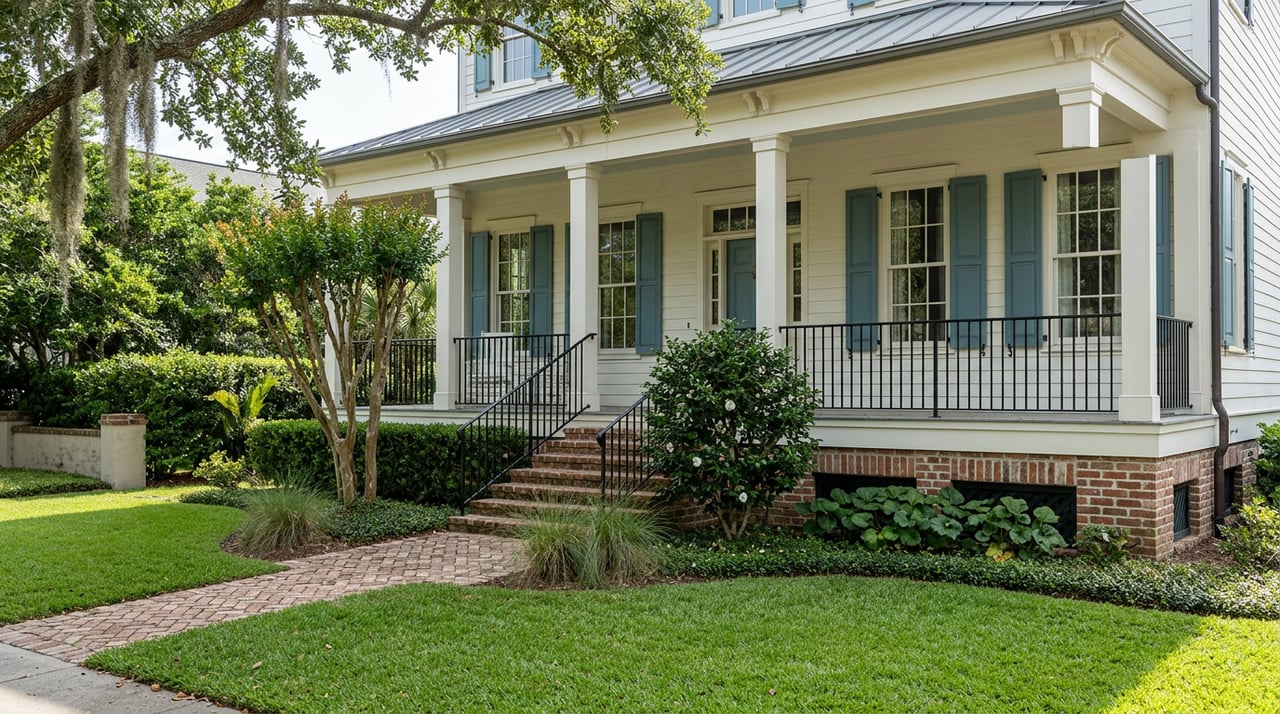
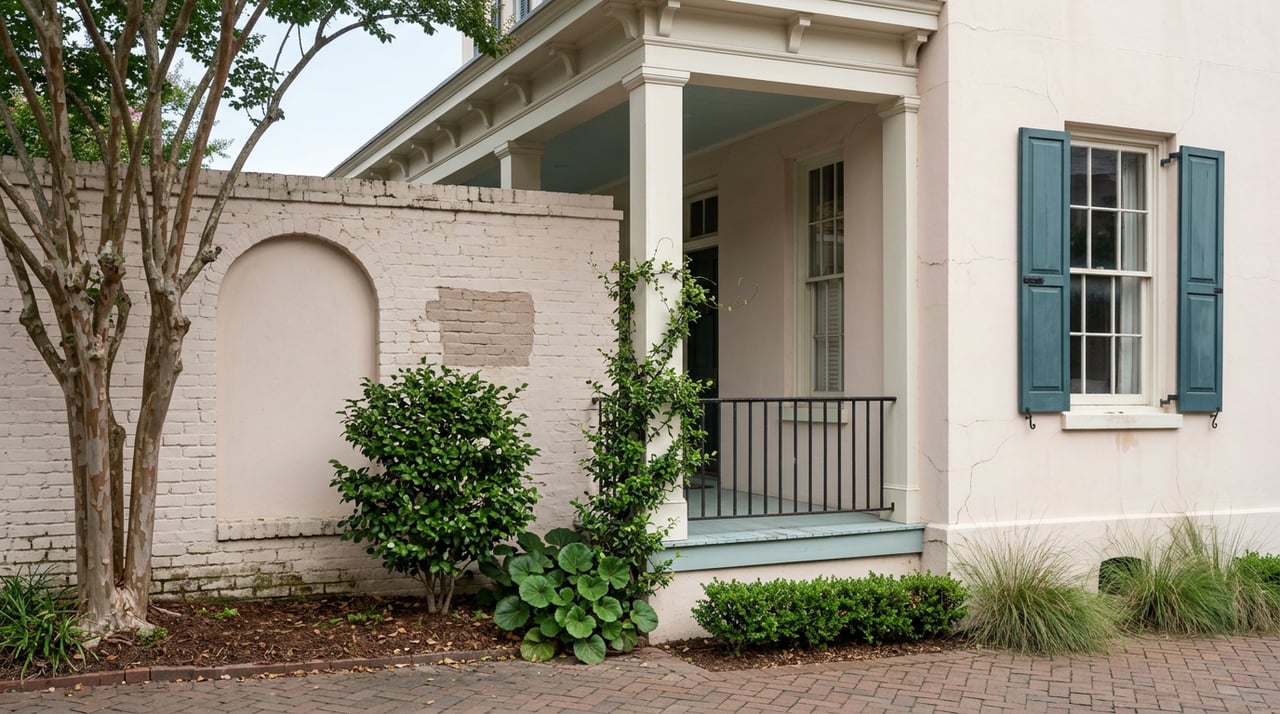
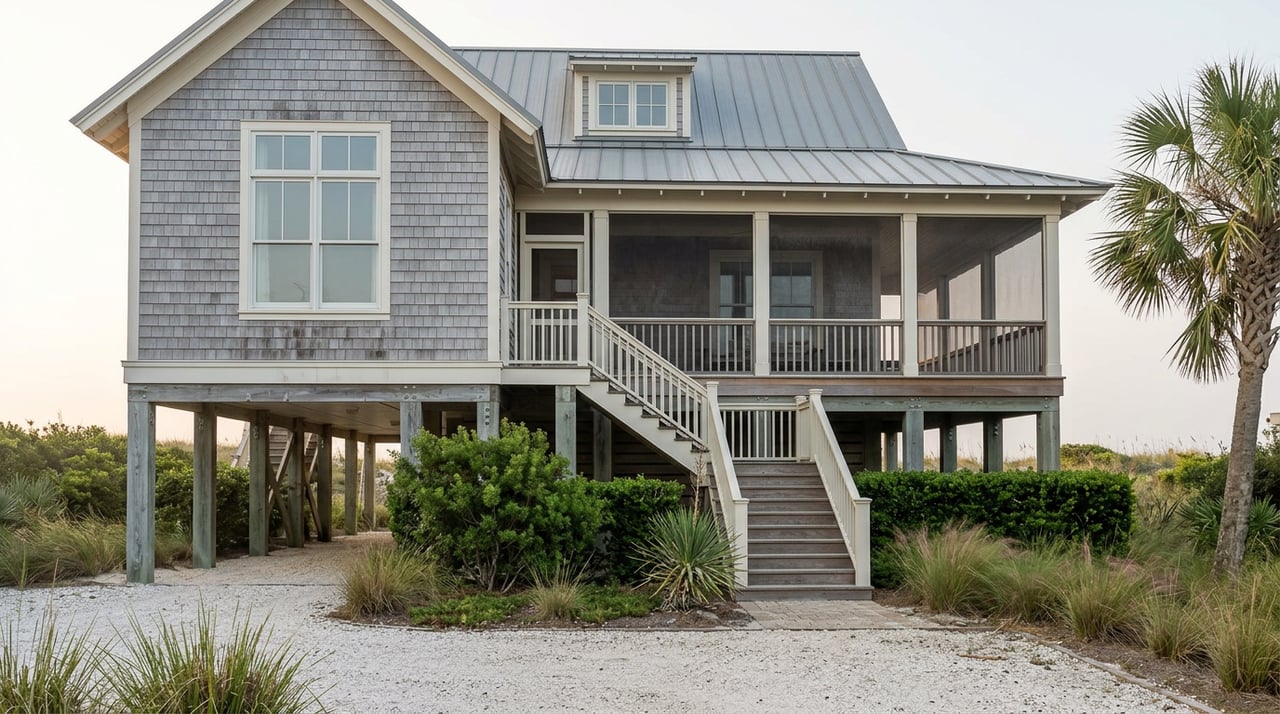
City planning materials call for a diversity of housing types, and county development agreements show a mix of master-planned communities, open-space tracts, and rural-agricultural land patterns. If you are house hunting here, it is important to look beyond the island’s overall image and evaluate each area on its own terms.
Large development examples help show the range. Kiawah River spans 1,427 acres on the southern portion of Johns Island and includes single-family detached, attached, and multifamily homes, along with a minimum of 635.31 acres of open space.
Orange Hill spans 933.097 acres, includes a 212.30-acre conservancy tract, and allows a maximum of 120 single-family detached dwelling units. These examples show that some parts of Johns Island blend residential living with significant protected or open land.
Johns Island also continues to attract buyers who want more land-oriented living. Charleston County zoning context helps explain why. The county’s code enforcement information notes that accessory structures are allowed without a principal structure in agricultural zoning districts, and planning documents continue to reference agricultural residential, rural agricultural, and other rural land-use patterns.
That does not mean every parcel can support a hobby farm, barn, or equestrian setup. It does mean Johns Island still has the land-use framework that makes those property goals more realistic here than in many denser parts of the region.
If your priority is space, Johns Island can be appealing, but details matter. Parcel size, zoning, access, and jurisdiction can vary widely from one property to the next.
This is where a careful, property-specific approach matters most. A home on a modest lot can offer the Johns Island lifestyle, while another property may offer room for gardens, outbuildings, or larger-scale outdoor use.
The City of Charleston notes that it receives annual annexation applications from Johns Island property owners. That is a reminder that city versus county jurisdiction can differ by parcel.
For you, that means zoning, services, and taxes should be verified lot by lot. If you are considering land, a larger homesite, or a property with space for accessory structures, these checks become even more important.
The Johns Island Community Plan flags limited road capacity as a planning challenge. If you are balancing the appeal of open space with work, school, or regular trips into other parts of the Charleston area, drive times and route options should be part of your home search.
This does not cancel out the island’s appeal. It simply means your ideal property should fit both your lifestyle goals and your practical routine.
Market data shows Johns Island covers a fairly broad price range. Realtor.com reported 172 homes for sale, a median listing price of $750,000, and a median sold price of $614,750 as of May 2026. Redfin reported a median sale price of $645,572 for the three months ending April 2026.
Those figures are not identical, likely because they use different data sources and measurement windows. Still, they point to the same big takeaway: Johns Island includes a wide mix of homes and price points, so your options may be broader than the island’s rural image first suggests.
Johns Island is also set to add more recreational infrastructure. The City of Charleston is designing a Johns Island Recreation and Aquatic Facility with a 25-meter pool, therapy pool, courts, a yoga studio, a playground, and a splash pad.
Construction is expected to start in the third quarter of 2026 and finish in late 2027. For buyers planning a longer-term move, projects like this can shape how everyday living on the island evolves over time.
Johns Island may be a strong fit if you want a Charleston-area lifestyle with more breathing room, strong access to nature, and a setting shaped by marshes, trees, trails, and waterways. It can also work well if you want housing choices that range from neighborhood living to larger, more land-oriented properties.
The key is to match the island’s character with your real priorities. If space, outdoor access, and a less urban feel matter most, Johns Island deserves a close look. If you are considering a move, Marie Pohlman can help you compare neighborhoods, evaluate parcel-level details, and find the right fit for your goals.
If you're wanting a Real Estate Agent with exceptional communication, unwavering patience, extensive knowledge of the Lowcountry's market, and one that produces results, please don't hesitate to reach out!