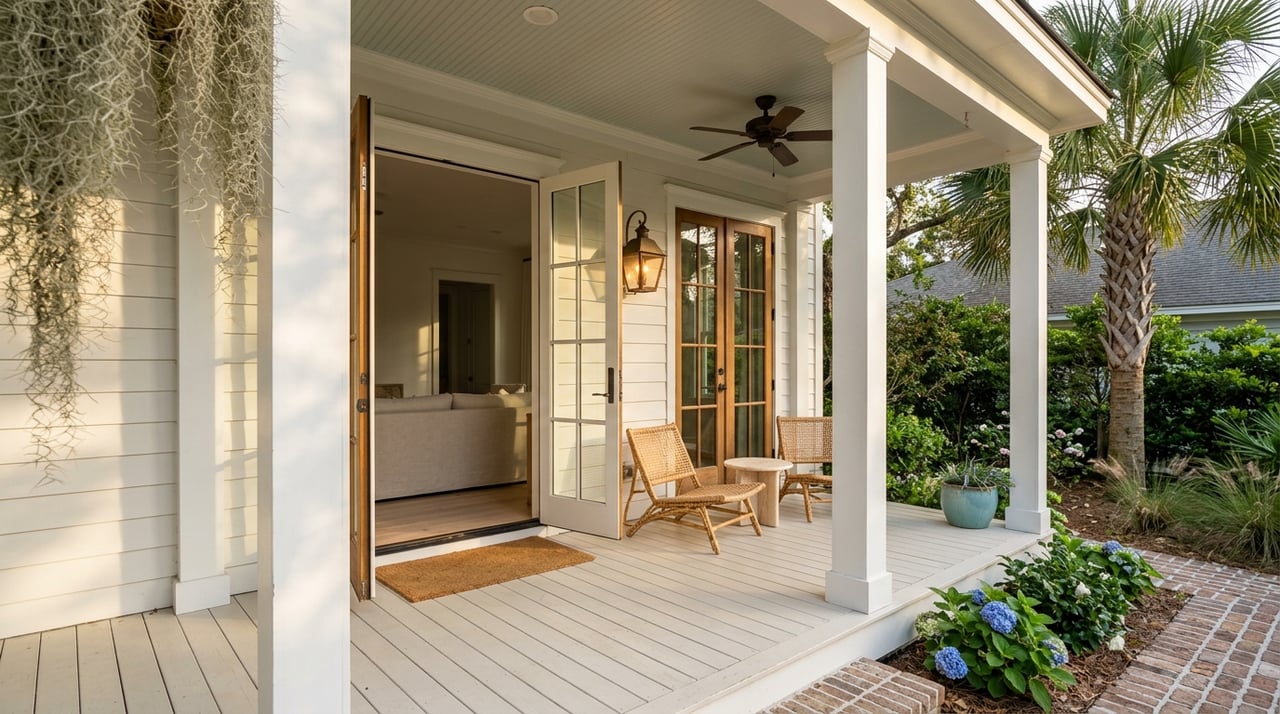
Why Buyers Choose a Sullivan’s Island Second Home
June 18, 2026
June 18, 2026
What makes a second home feel worth the investment year after year? For many buyers, it is not just the house. It is the pace of the place, how easy it feels to settle in, and whether daily life still feels special after the first few visits. On Sullivan’s Island, that appeal often comes from a rare mix of residential character, beach access, and close proximity to Charleston. If you are considering a second home here, this guide will walk you through what owners tend to love most and what practical details matter before you buy. Let’s dive in.
One of the biggest draws of Sullivan’s Island is that it feels like a place to live, not just a place to vacation. The town has a little over 2,000 residents, and its land-use rules are designed to protect a low-density, residential environment.
That matters if you want a second home that feels calm and consistent. Much of the island is intended for single-family residential use, while commercial areas are limited to uses that serve residents. In everyday terms, that helps preserve a quieter, less resort-driven atmosphere.
For many second-home owners, that translates into more privacy and a more predictable setting. Instead of a landscape shaped by large hotels or entertainment zones, the island is defined more by homes, porches, local streets, and beach access paths.
Sullivan’s Island offers 3.5 miles of Atlantic Ocean beachfront, along with numerous public access paths, boardwalks, and footpaths. That makes it easy to turn a short visit into a real routine, whether you want a morning walk, an afternoon on the sand, or a quick sunset stop before dinner.
The town also provides ADA beach access points and a beach wheelchair program. Those features add convenience for owners hosting friends and family with different mobility needs.
Just as important, the local beach rules help shape the island’s tone. There are no lifeguards on duty, alcohol is prohibited on streets, boardwalks, and beaches, smoking is banned in public beach spaces, and commercial activity is not allowed on the beach.
Other rules prohibit glass containers, plastic foam products, fireworks, and motorized vehicles on beach paths or beaches. Together, those guidelines help keep the beach environment orderly and low-key, which is exactly what many second-home buyers are looking for.
A second-home lifestyle often works best when simple outings stay simple. Sullivan’s Island supports that with low-speed roads, sidewalks, and a layout that is easy to navigate on foot or by bike.
The town notes that the island sits at the intersection of the Battery 2 Beach bike route and the East Coast Greenway. For owners, that adds another layer to everyday living. You can often move through the island in a way that feels slower, easier, and more connected to the surroundings.
There is also a 2-mile nature trail that connects the beach at Station 16 to Fort Moultrie and the Charleston Light. That gives you a built-in option for walking, exploring, or showing visiting guests a different side of the island beyond the shoreline.
Even if the beach is the main attraction, it helps when a second-home destination offers more than one way to spend the day. Sullivan’s Island has several parks and protected areas that round out the lifestyle.
J. Marshall Stith Park includes playgrounds, tennis courts, a soccer field, a basketball court, and a covered picnic area. Poe Avenue Park adds more neighborhood recreation space, which can be helpful if your second home is a gathering place for children, grandchildren, or frequent guests.
Thomson Park at Breach Inlet is another favorite local spot. The town describes it as popular for surf fishing, sunbathing, and dolphin sightings, although swimming is not allowed there because of strong currents and undertow.
Second-home owners often want options close by without feeling like they are in the middle of a resort strip. Sullivan’s Island delivers that balance with a restaurant scene that feels polished but still neighborhood-based.
The town highlights the island’s restaurants as part of its appeal. Dining options are concentrated enough that you can often stay on-island for dinner, which makes weekends and longer stays feel easy.
Examples noted by the town include Poe’s Tavern on Middle Street, The Obstinate Daughter, and High Thyme. The result is a dining mix that feels local and established rather than oversized or tourism-centered.
A lot of second-home buyers are not looking for a packed event calendar. They want a place that feels active enough to stay connected, but not so busy that it loses its sense of calm.
Sullivan’s Island stands out for that kind of rhythm. Town-led events and community updates lean more civic, seasonal, and local than large-scale tourism programming.
Examples include the annual Fish Fry that supports Sullivan’s Island Fire & Rescue, Arbor Day activities tied to the town’s Tree City USA designation, volunteer beach and marsh cleanups, and Coffee with a Councilmember events. The town also encourages residents to use its emergency notification system and monthly newsletter to stay current on meetings, projects, and special events.
For second-home owners, that kind of structure can be appealing. It gives you meaningful ways to stay in the loop without creating the feel of a nonstop resort schedule.
Another reason second-home owners love Sullivan’s Island is that it offers a true island setting without feeling remote. The island sits near Charleston Harbor, which means you can enjoy a quieter home base while still staying connected to the wider Charleston area.
That proximity matters in practical ways. Whether you want dining, cultural outings, errands, or time downtown, being close to Charleston adds flexibility to how you use your second home.
For some buyers, that balance is the sweet spot. You get a more relaxed island environment, but you are not committing to isolation.
The lifestyle is a major part of the appeal, but strong second-home decisions also come down to due diligence. On Sullivan’s Island, a few ownership factors deserve close attention before you buy.
The town states that all of Sullivan’s Island is within a Special Flood Hazard Area. Because of the island’s barrier-island geography, properties may be exposed to both heavy-rain flooding and storm surge.
The town also notes that oceanfront areas are in VE zones, while other parts of the island are in AE zones. That makes flood-zone review, elevation details, and flood insurance central parts of the buying process rather than minor afterthoughts.
If you are comparing properties, this is one of the first topics to discuss in detail. A clear review upfront can help you better understand ownership costs and property-specific risk.
In South Carolina, a second home or vacation home is assessed at the 6% ratio, while a primary legal residence is assessed at 4%. Charleston County and the South Carolina Department of Revenue are the key sources for confirming how a property will be classified.
This is one of the most important cost differences buyers should understand when shopping for a second home in the Charleston area. Even if two homes appear similar at first glance, tax treatment can affect your long-term budget.
If you hope to offset costs with rental income, do not assume every property can be used the same way. Sullivan’s Island regulates short-term rental use through its zoning code.
The town requires a Certificate of Zoning Compliance and a Vacation Rental Business License for qualifying vacation rentals. The ordinance also requires a 24/7 contact person, off-street parking, occupancy limits, and minimum three-night stays.
It is also unlawful to advertise a residential dwelling as a vacation rental unless the property is properly approved. If rental use is part of your plan, confirming compliance should be part of your early due diligence.
If your second home will be a place where friends and family visit often, access logistics are worth thinking through. Sullivan’s Island has two land access points: the Ben Sawyer Bridge from Mount Pleasant and the route across Breach Inlet from Isle of Palms.
Public beach parking is limited to right-of-way areas, and vehicles must keep all four tires off the pavement and avoid blocking beach paths. That may sound like a small detail, but it can shape how you plan visits, guest arrivals, and beach days.
When you put it all together, the appeal of Sullivan’s Island is not hard to see. It offers a residential setting, beach-centered routines, local dining, walkable and bike-friendly movement, and a community rhythm that feels grounded rather than flashy.
For second-home owners, that often creates a different kind of value. The island can feel special on day one, but it also has the structure and character to keep feeling meaningful over time.
If you are exploring second-home options on Sullivan’s Island, it helps to work with someone who understands both the lifestyle side and the practical side of ownership. Marie Pohlman offers clear, local guidance to help you evaluate properties, compare ownership costs, and make a confident Lowcountry decision.
If you're wanting a Real Estate Agent with exceptional communication, unwavering patience, extensive knowledge of the Lowcountry's market, and one that produces results, please don't hesitate to reach out!