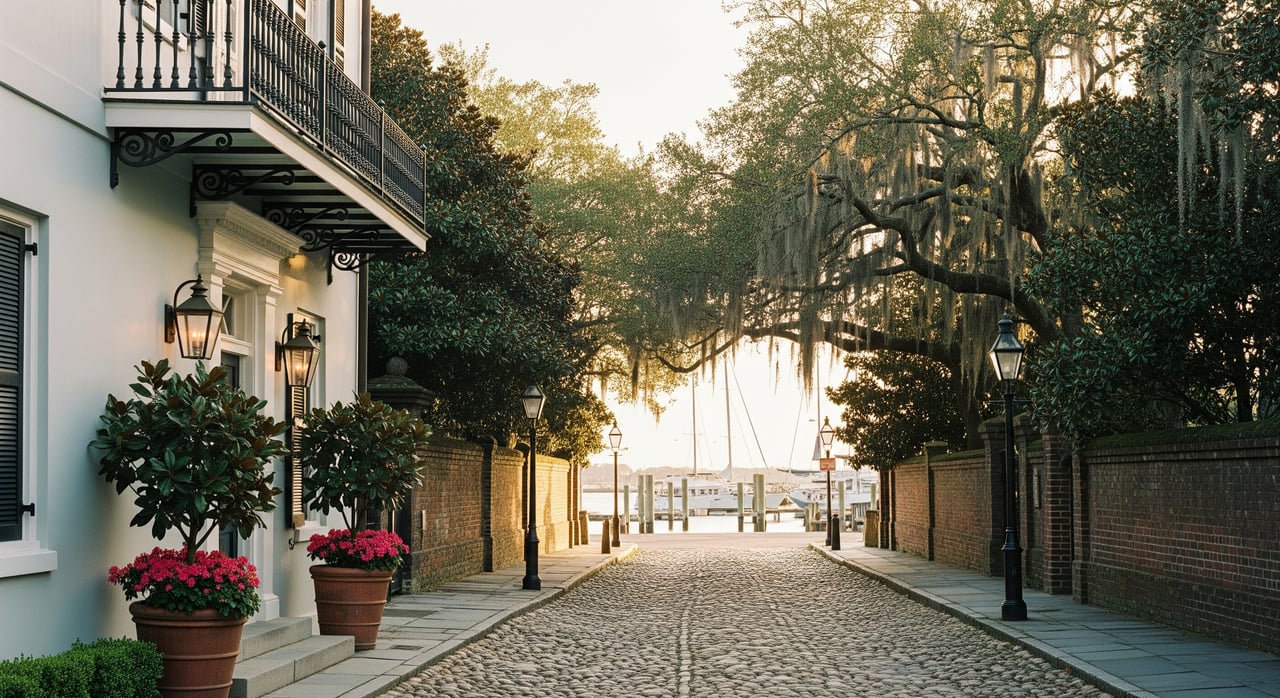
What Living in Downtown Charleston SC Is Really Like
February 5, 2026
February 5, 2026
Thinking about trading suburban sprawl for cobblestone streets and harbor breezes? Downtown Charleston invites you into a compact, walkable world of historic homes, acclaimed restaurants, and waterfront parks. If you crave charm and culture at your doorstep, the peninsula can be a great fit. This guide shows you what day‑to‑day life looks like, where the tradeoffs are, and how to decide if it matches your lifestyle. Let’s dive in.
You live among history here. Narrow streets, brick walkways, and preserved Charleston single houses set the tone. The most active zones cluster around King Street, the City Market, Waterfront Park, and the Battery. You feel the residential calm on side streets and in neighborhoods like South of Broad and Harleston Village.
Expect a mix of neighbors and visitors. Long‑term homeowners, students from the College of Charleston, medical professionals from MUSC, and retirees all share the peninsula with a steady flow of tourists. Spring through fall feels especially lively with festivals and outdoor events. Restaurants and nightlife are vibrant, especially around Upper King, so you will want to choose a street that fits your preferred sound level.
Downtown’s food scene highlights Lowcountry cuisine. You will find seafood, shrimp and grits, she‑crab soup, and chef‑driven menus in many directions. Cultural life pulses through galleries, museums, and major events like Spoleto Festival USA and Charleston Wine + Food. Marion Square often hosts community gatherings and markets, and local library branches add everyday convenience.
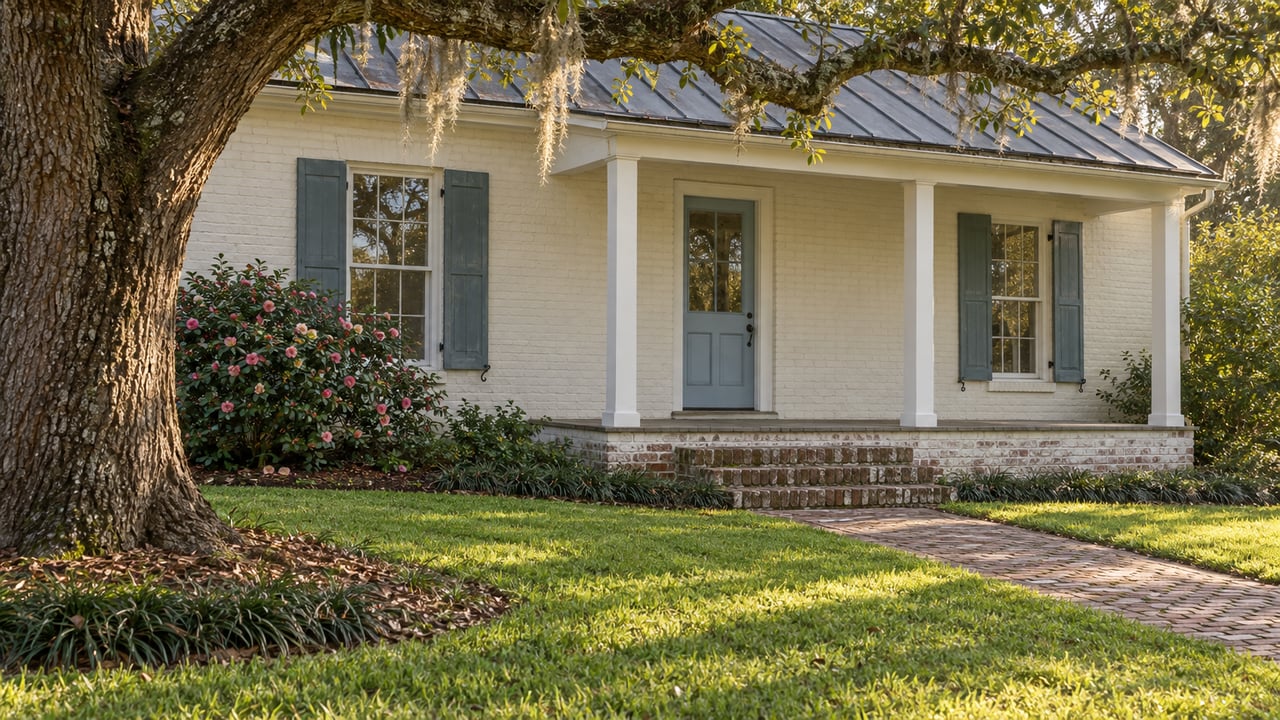
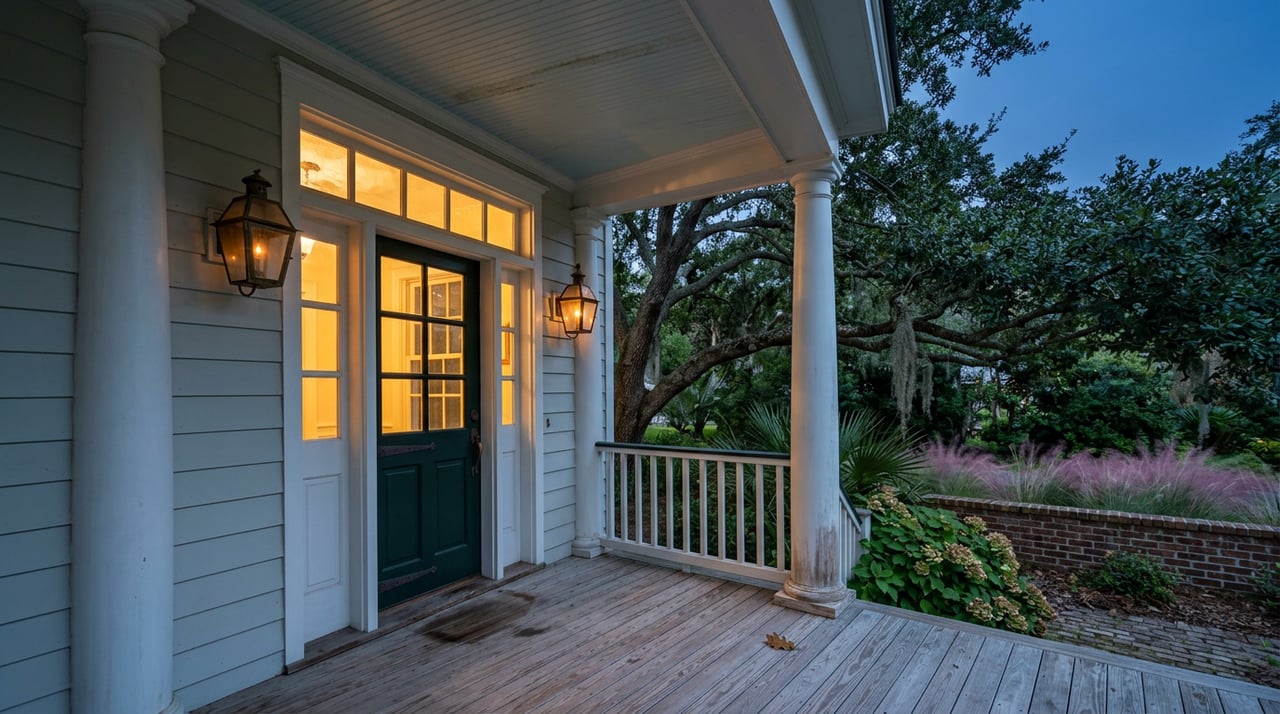
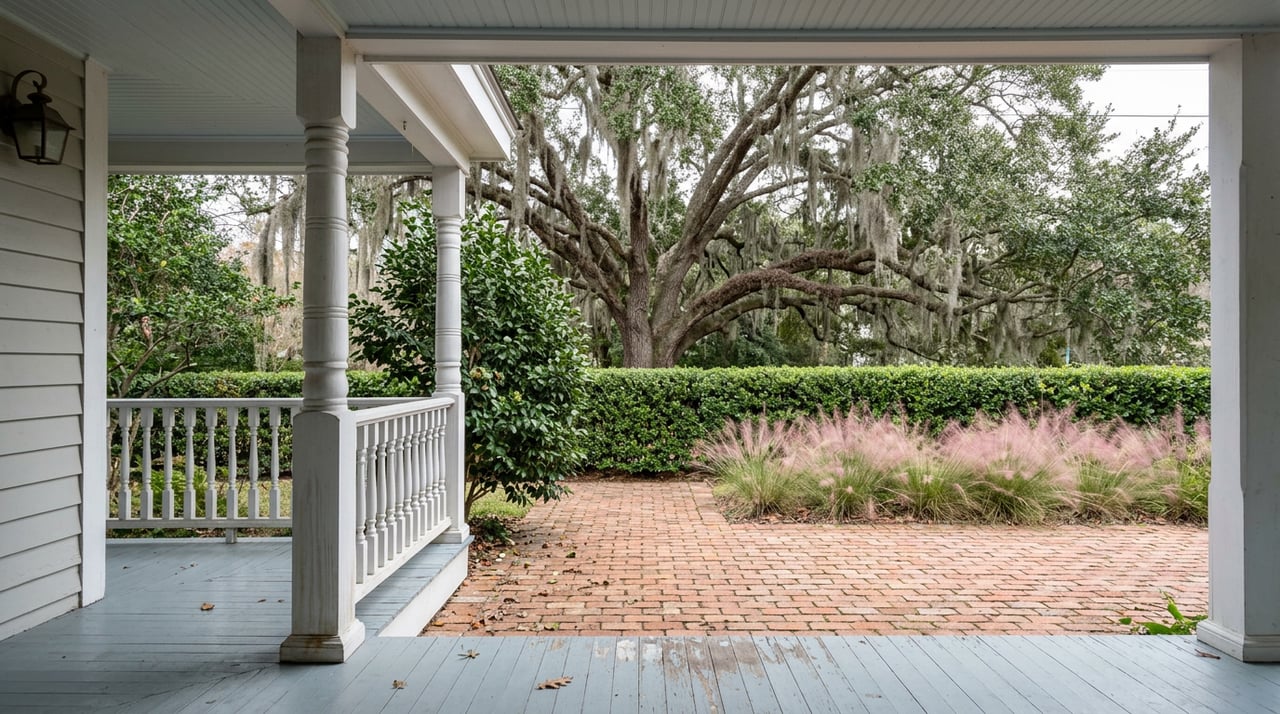
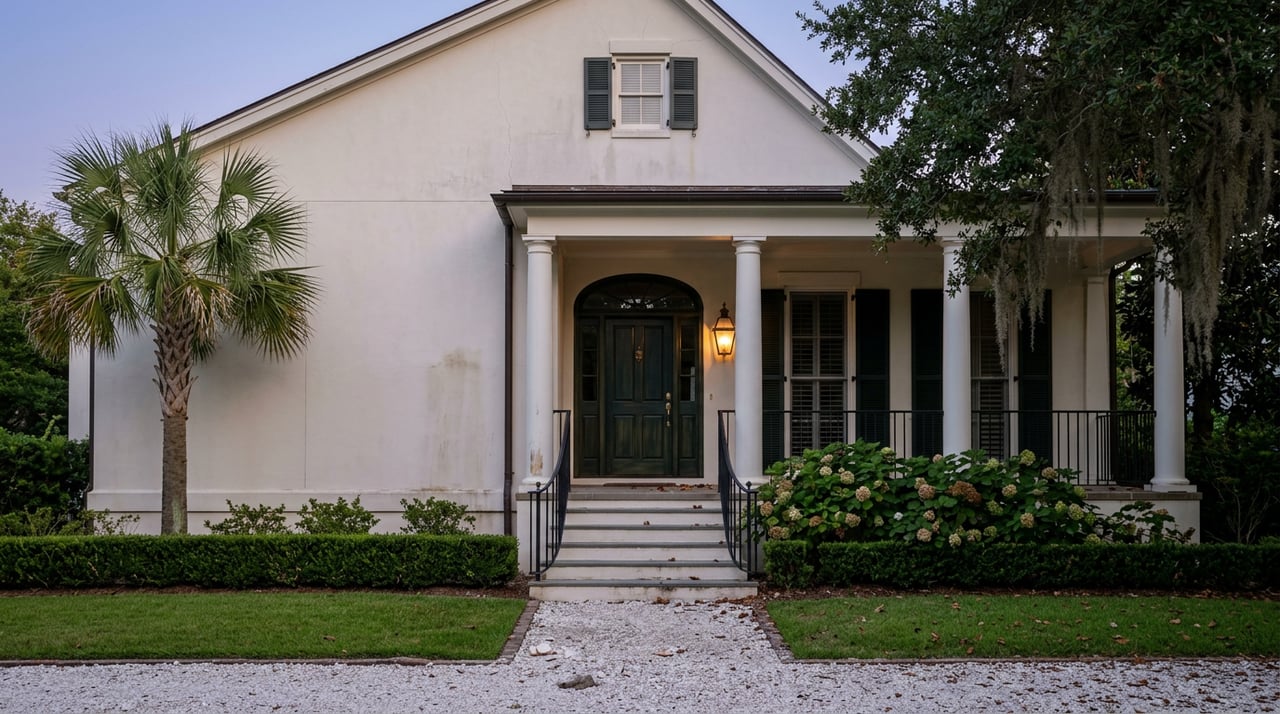
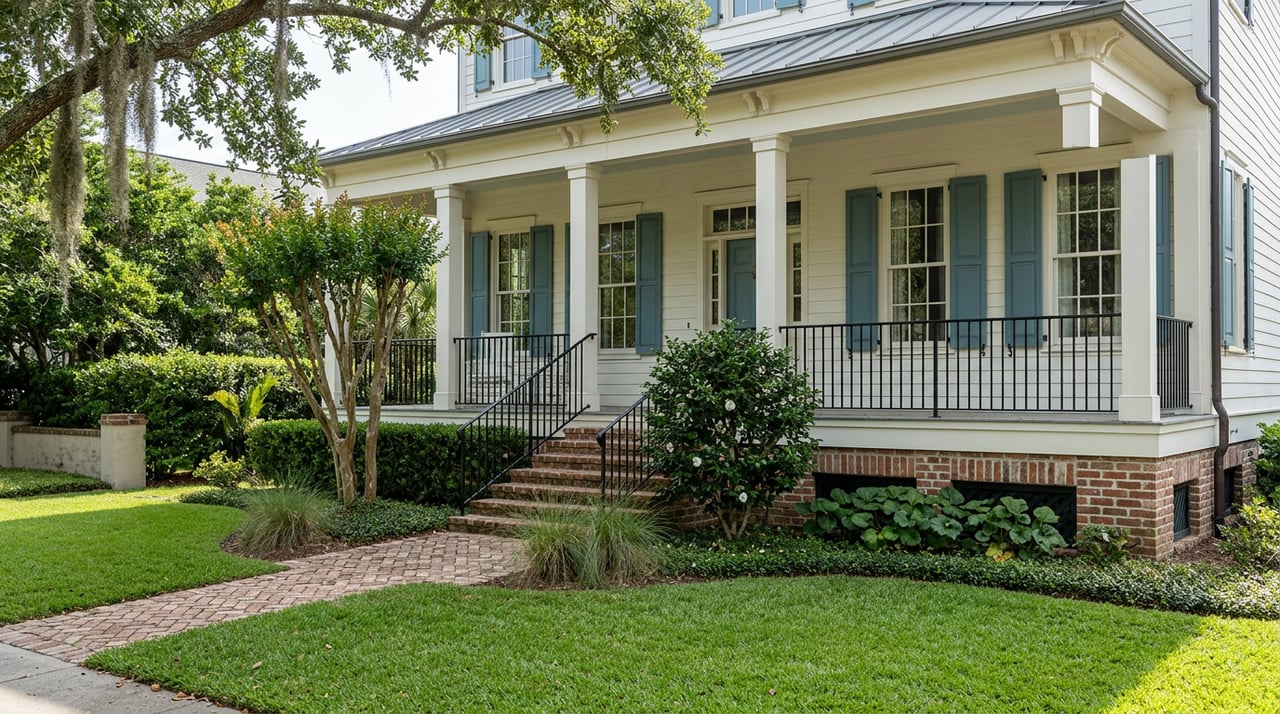
Homes range from historic single houses and restored townhomes to carriage houses and low‑ to mid‑rise condos. Many properties sit on small lots, often with piazzas that extend living space outdoors. You will also see historic conversions and a few newer luxury waterfront condo buildings.
Several factors push prices higher than many suburbs:
If you are eyeing a historic property, budget for specialized maintenance. Common needs include masonry repointing, wood repair, window conservation, and sometimes structural or drainage work. Older systems such as wiring, HVAC, and plumbing may need upgrades. Renovations in the Historic District typically require review and a Certificate of Appropriateness from the city’s Board of Architectural Review. The process preserves character but can add time and cost.
The peninsula supports both homeowners and renters. Condos and multi‑unit buildings offer rental options, while many single‑family homes are owner‑occupied. Short‑term rentals exist but are regulated. If you plan to rent short‑term, confirm current city licensing, taxes, neighborhood rules, and enforcement before you buy.
Walking is a big draw. Many daily errands, dining spots, and workplaces are nearby. Biking is popular too, with selected bike lanes and a path across the Ravenel Bridge for recreation or commuting to Mount Pleasant.
Public transit is available through CARTA bus routes, and downtown circulators run at times. Many residents still keep a car. Parking can be tight and may require a permit, metered payments, or a garage lease. When you shop for a home, note whether a property includes off‑street parking, nearby garage access, or street permit eligibility.
You can find neighborhood markets and supermarkets on or near the peninsula. If easy grocery access is important, prioritize homes close to your favorite store. Healthcare is a strong point thanks to the Medical University of South Carolina’s hospitals and clinics located nearby.
Public schools are part of Charleston County School District, and attendance zones can change. Some families consider private or magnet options due to limited public elementary sites directly in the core. Always verify current zoning and enrollment policies when school access is a priority.
You can greet the harbor at Waterfront Park, relax on the swing benches, or stroll the pier. White Point Garden at the Battery offers shade and views of historic homes. Marion Square hosts events and markets throughout the year. Beaches on Sullivan’s Island, Isle of Palms, and Folly Beach are typically a 20 to 40 minute drive, depending on traffic. Boating access and slips are limited, so plan ahead if dockage is on your wish list.
Expect a premium for rents and purchase prices compared with many nearby neighborhoods. Dining and entertainment can become a larger share of your budget if you enjoy going out frequently, especially in peak tourist seasons. Utilities may also include storm preparation costs and insurance considerations.
The peninsula is low‑lying. Tidal flooding, storm surge during hurricanes, and more frequent coastal flooding are part of life. Hurricane season runs June through November. If you are buying, review FEMA flood maps and property elevation data, and price out flood insurance through both NFIP and private providers. The City of Charleston continues to invest in drainage and resilience projects. Ask about planned or ongoing work that could affect your block.
If your home is within the Historic District, many exterior changes and some additions require Board of Architectural Review oversight. Guidelines address materials, windows, porches, and even demolition. These rules protect neighborhood character and can add design and contractor requirements. Certain income‑producing projects may qualify for historic tax credits when they meet federal and state standards. Homeowner eligibility is limited, so check program details before assuming benefits.
Older buildings warrant thorough inspections. Pay attention to electrical systems, evidence of lead paint in older homes, moisture or drainage concerns, and potential termite damage. Ask for disclosures related to flood history, preservation restrictions, and any municipal assessments for drainage or resilience projects. If utilities or HVAC systems were retrofitted over time, you may need capacity upgrades to meet modern needs.
Downtown shines for people who want a compact, culture‑rich lifestyle:
It is less ideal if you need a large yard, multiple garages, or significant storage space. It can also be challenging if you want the quiet of a strictly suburban street or need a lower housing cost.
You might start with coffee on your piazza, then stroll to a favorite bakery or market. Midday could mean a quick walk to work, or a CARTA ride if your office sits slightly uptown. Dinner might be a seafood spot on King Street followed by a play during festival season. If you keep a car, you likely store it in a nearby garage and use it for beach trips or errands off the peninsula.
Use this quick checklist as you tour homes:
If you want a historic, walkable lifestyle with strong dining and culture, downtown Charleston may be the right move. The key is matching your block and home type to your day‑to‑day needs, budget, and comfort with historic stewardship.
Ready to explore homes that fit your life on the peninsula? Reach out to Marie Pohlman for clear, local guidance and a process that keeps you informed from tour to closing.
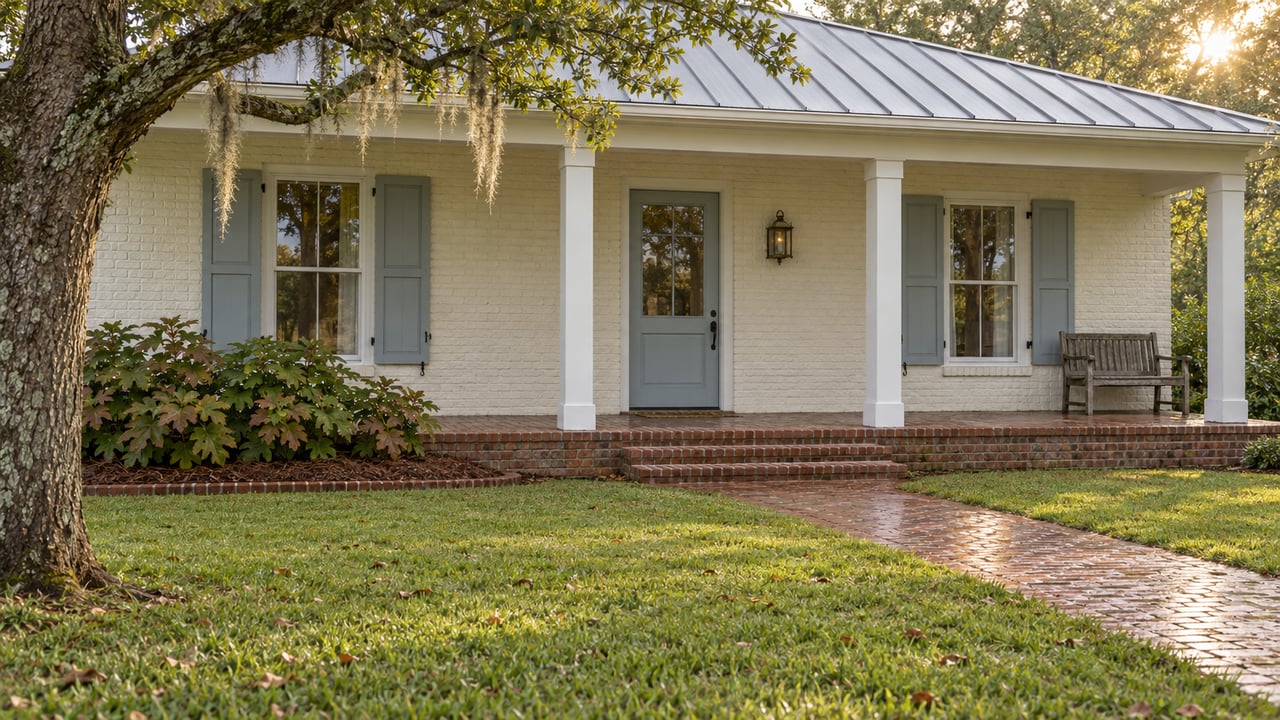
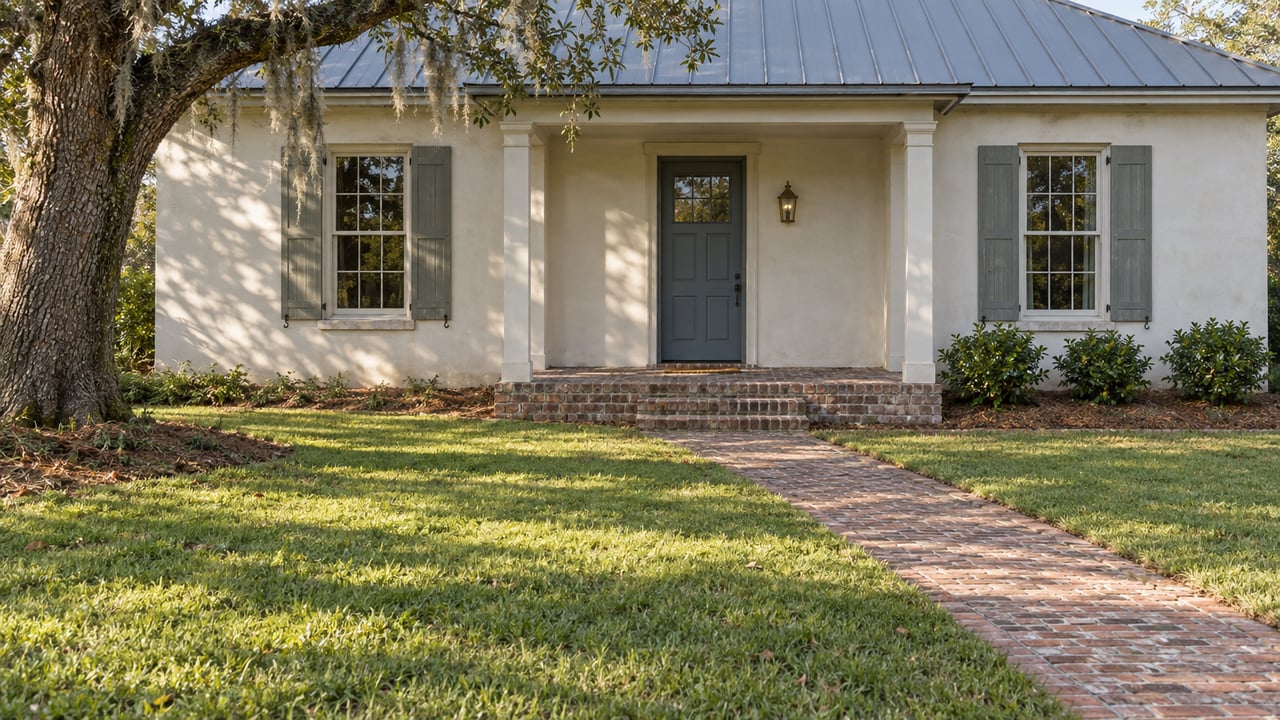

If you're wanting a Real Estate Agent with exceptional communication, unwavering patience, extensive knowledge of the Lowcountry's market, and one that produces results, please don't hesitate to reach out!