Mount Pleasant Housing Market Guide for Buyers & Sellers
January 15, 2026
January 15, 2026
Thinking about buying or selling in Mount Pleasant and not sure where to start? You are not alone. This coastal-suburban market moves quickly, and details like flood zones, insurance, and neighborhood rules can make a real difference. In this guide, you will learn how the market works, what to expect by neighborhood and price band, and how to plan a smooth move. Let’s dive in.
Mount Pleasant sits just across the Cooper River from downtown Charleston. You get quick access to the beaches, dining, boating, and jobs across the metro. That mix keeps demand consistently high relative to many inland suburbs.
Inventory ranges from historic cottages to new-construction homes in large planned communities. Entry-level and well-priced homes often move faster, while luxury and waterfront properties can spend longer on the market due to a smaller buyer pool. Spring is usually the busiest season for listings and tours, while hurricane season can affect buyer timing and insurance checks.
Flood risk, HOA rules, and local design review boards shape value and resale in certain areas. Pricing and condition still matter most. Homes that are mispriced or need major updates can see longer days on market even in strong neighborhoods.
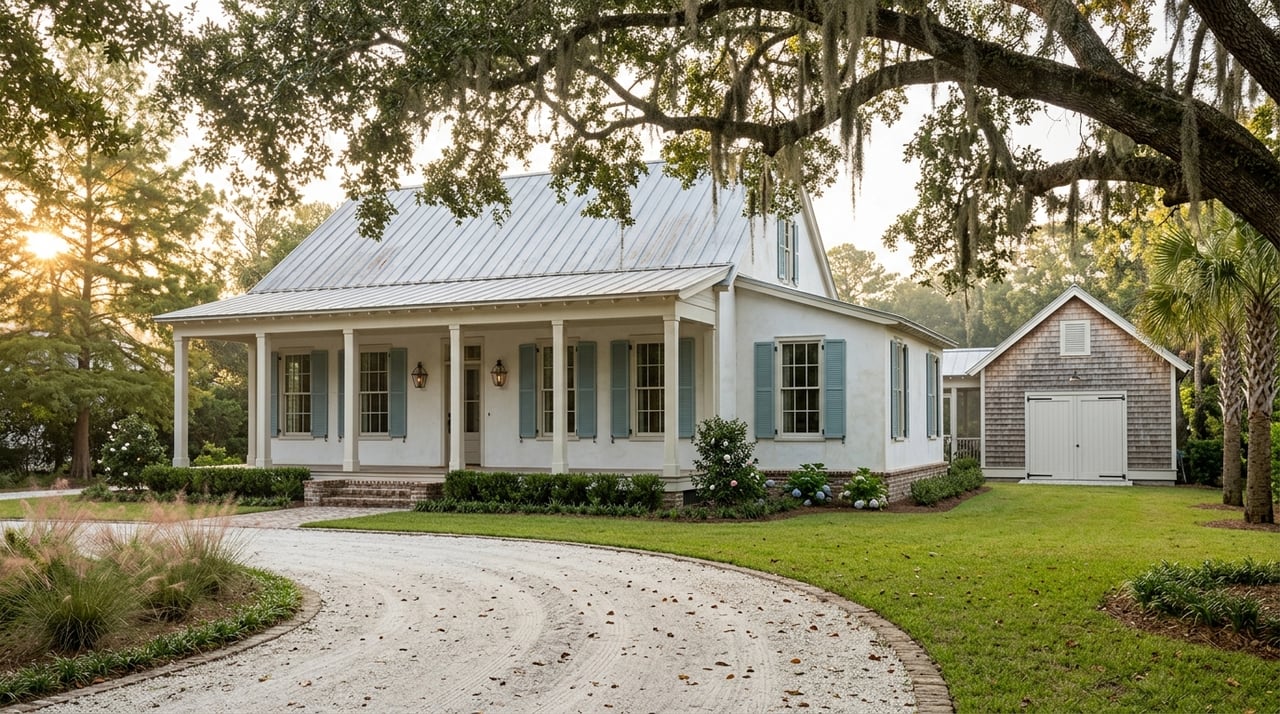
Central Mount Pleasant offers a historic village feel near Shem Creek and the waterfront park. You will find older cottages, renovated homes, and some new infill on smaller lots. Buyers come for character, walkability, and water access. Limited inventory and design review rules can influence renovations and resale.
Park West, Brickyard, and Belle Hall feature large, master-planned neighborhoods with pools, trails, and nearby shopping. Homes range from townhomes to newer single-family on suburban lots. These areas attract buyers who want amenities and a straightforward commute pattern.
Dunes West and Rivertowne are known for golf, larger lots, and semi-gated or gated layouts. You will see higher-end finishes, private amenities, and some waterfront parcels. Marketing periods can be longer at the top end, where features and views vary widely.
Carolina Park and the broader Cainhoy area have seen rapid development with sidewalks, parks, and mixed housing types. New-construction options draw relocations and move-up buyers who want modern floor plans and community amenities. Builders remain active, which influences pricing and timelines.
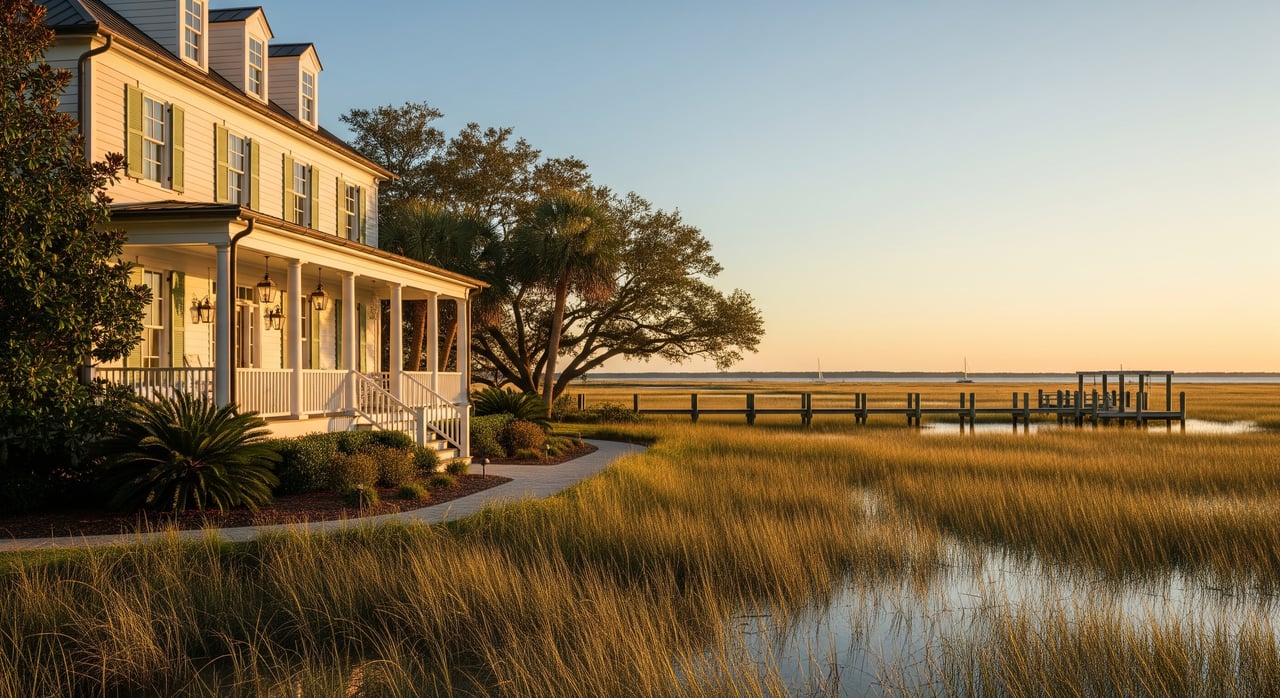
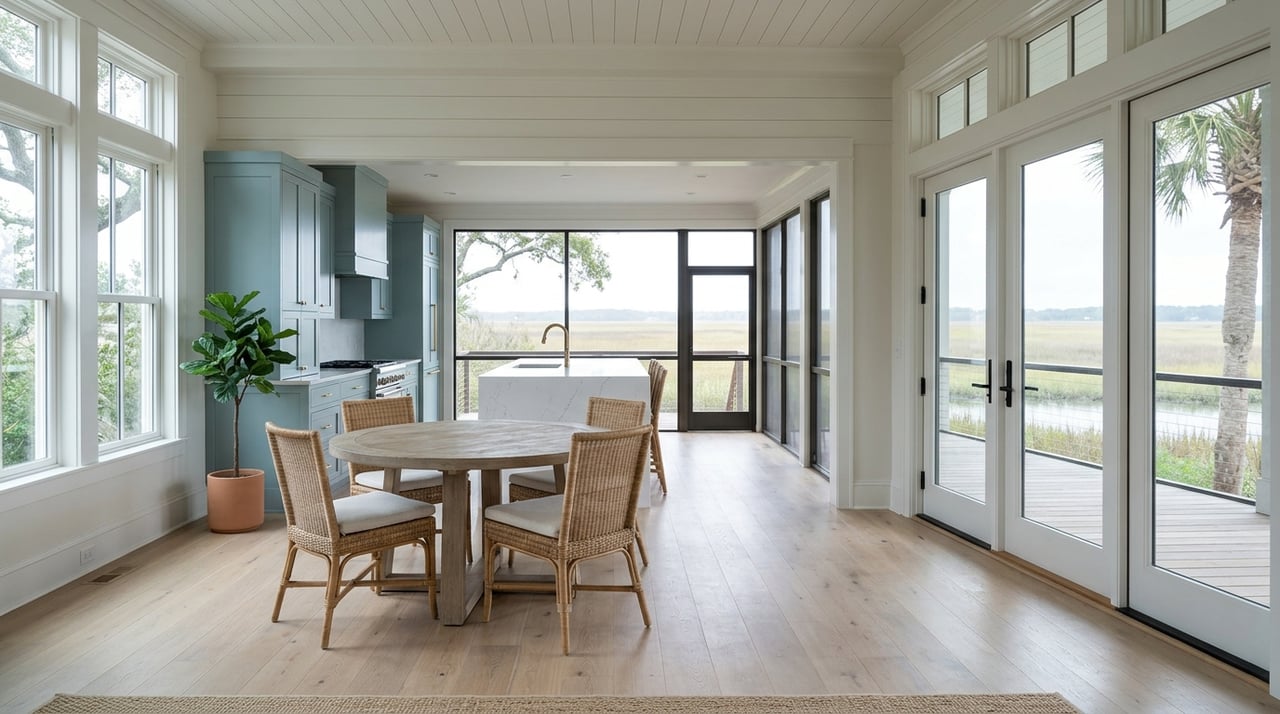
Along tidal creeks and marsh fingers, you can find single-family homes with docks or water views. Premium pricing reflects dockage, elevation, and view corridors. On the periphery, larger parcels and estate-style properties appeal to buyers seeking privacy and space, though the buyer pool is more niche.
Seasonally, spring and early summer bring more listings and buyers. Interest rate shifts can influence affordability and velocity, especially in the entry and move-up tiers. Pricing to the neighborhood and staying realistic on condition are key to getting results.
Mount Pleasant’s coastal setting means flood zones are common. Elevation, finished floor height, flood vents, and any mitigation work can change insurance costs and insurability. Plan to review current flood maps and get insurance quotes early, especially during hurricane season.
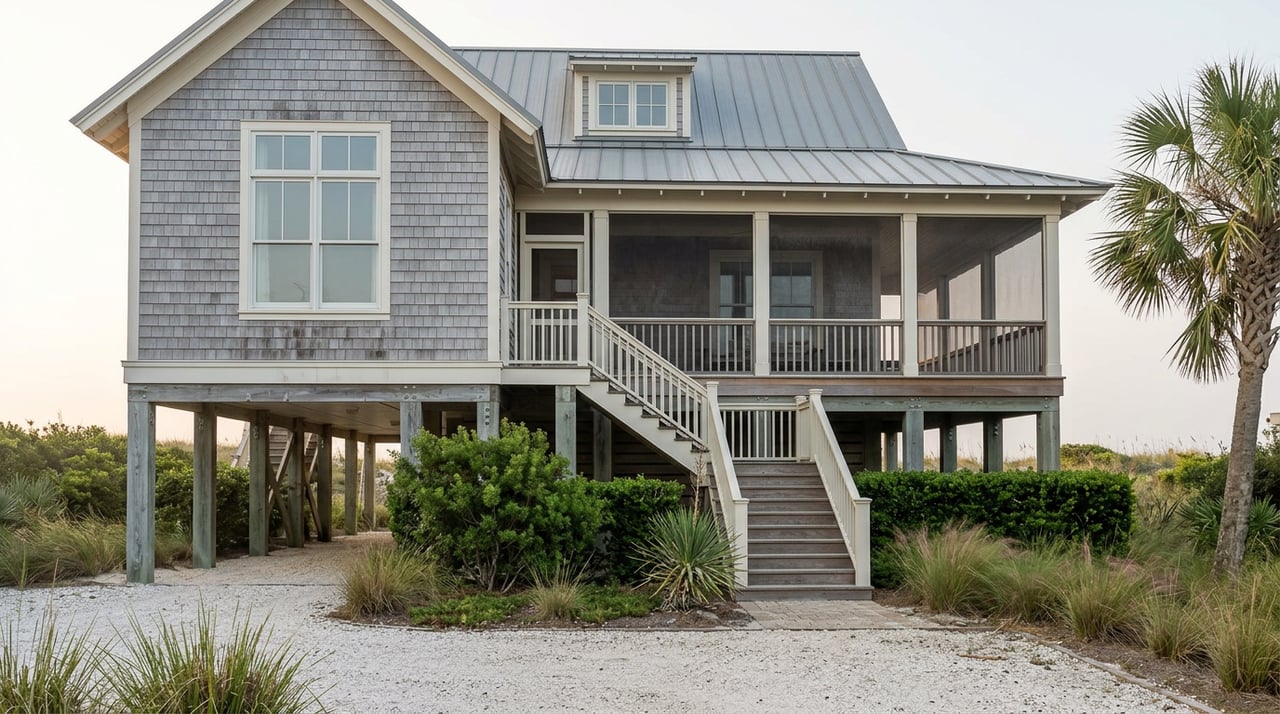
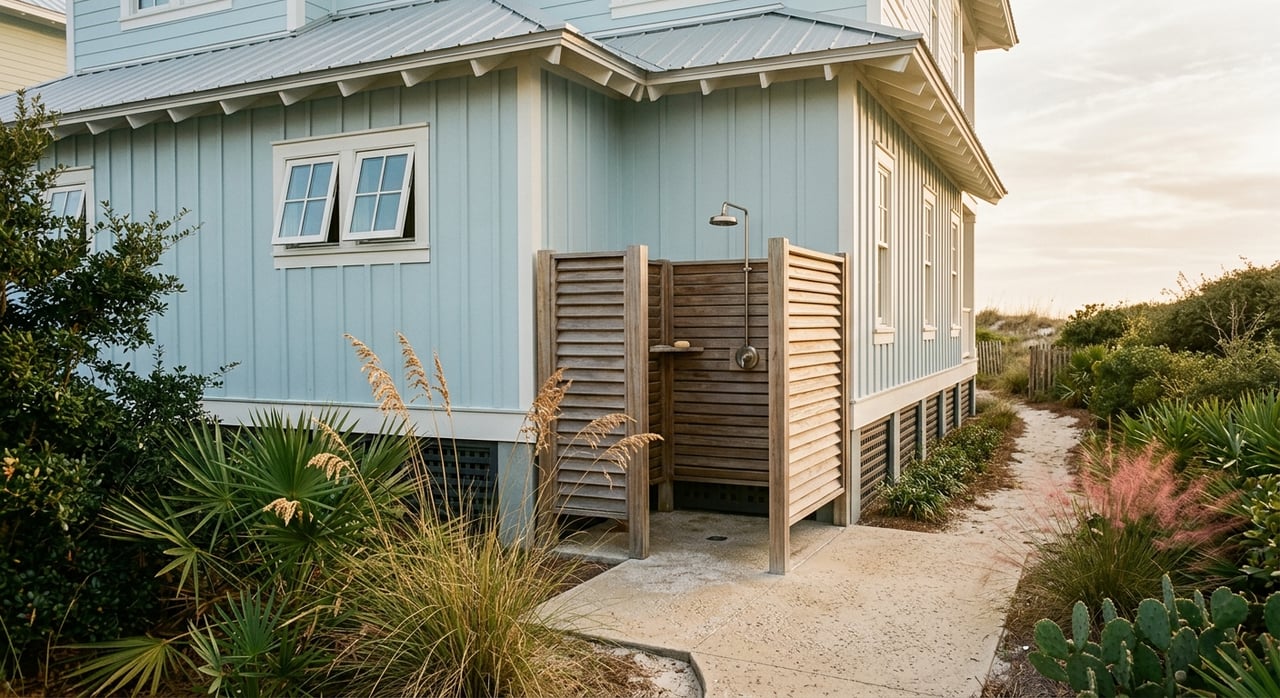
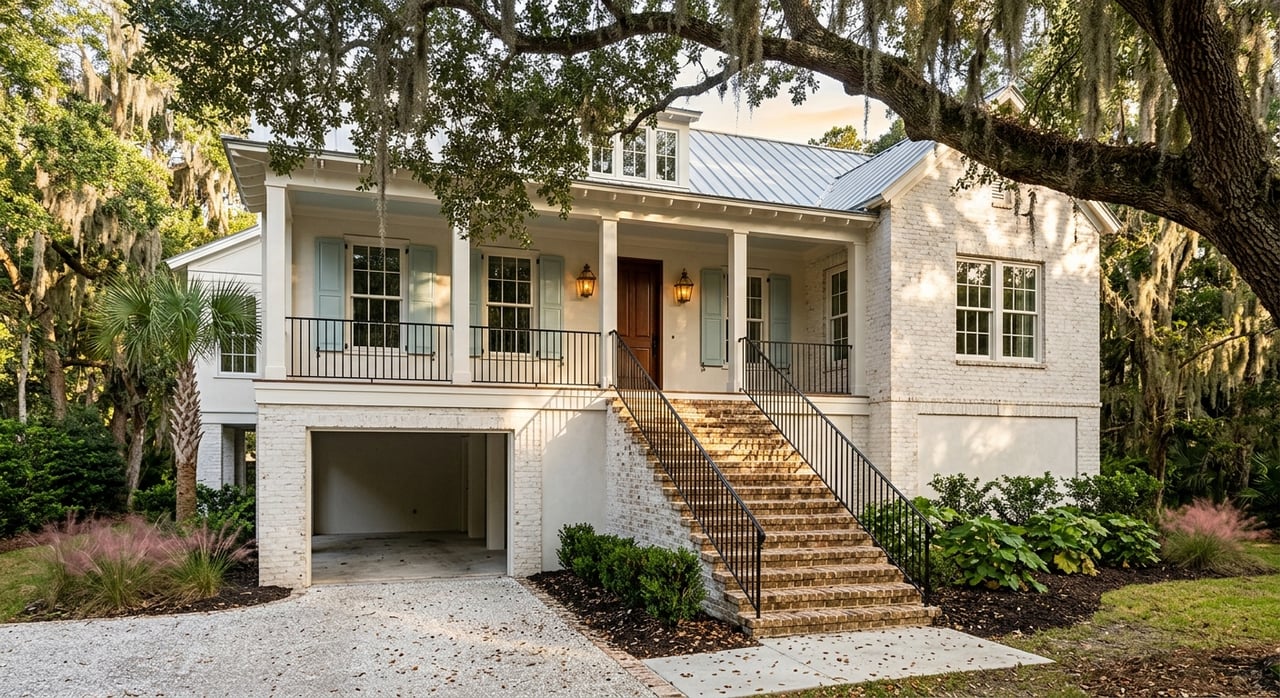
Many newer coastal homes are raised on pilings, which affects inspection scope and maintenance. Older homes can show wood rot, termite damage, or salt-air corrosion. Schedule thorough inspections, including a wood-destroying insect report, and confirm HVAC sizing and ventilation due to humidity.
Master-planned communities often have HOA fees and architectural review. These rules shape modifications, upkeep costs, and buyer eligibility. In historic areas like Old Village, exterior changes may require approval from design review boards.
Most newer neighborhoods connect to municipal sewer. Some older or peripheral parcels may use septic systems, which can be costly to update. Verify system type and ask for maintenance records.
US-17, I-526, and the Ravenel Bridge drive commute patterns to downtown and major job centers. Traffic increases during peak tourism and commuter hours. When you compare neighborhoods, weigh travel routes along with schools, amenities, and daily routines.
New construction offers modern layouts, energy efficiency, and builder warranties. You may trade some lot size or immediate location premium for the benefits of new builds. Existing homes can provide established landscaping, central locations, or character you may not find in newer neighborhoods.
If you consider a builder community, review contract terms, timelines, and HOA standards up front. For resales, confirm renovation history, permitting, and any restrictions that could affect future projects.
Spring and early summer are the most active for listings and tours. During hurricane season, buyers focus more on elevation and insurance, which can lengthen decision timelines. Interest rate changes can shift affordability and days on market across different price bands. If a home fits your needs and is priced to the neighborhood, moving decisively often pays off.
Ready to make a plan that fits your timeline and budget? For boutique, educator-led guidance backed by global marketing reach, connect with Marie Pohlman for a free Lowcountry market consultation.

If you're wanting a Real Estate Agent with exceptional communication, unwavering patience, extensive knowledge of the Lowcountry's market, and one that produces results, please don't hesitate to reach out!