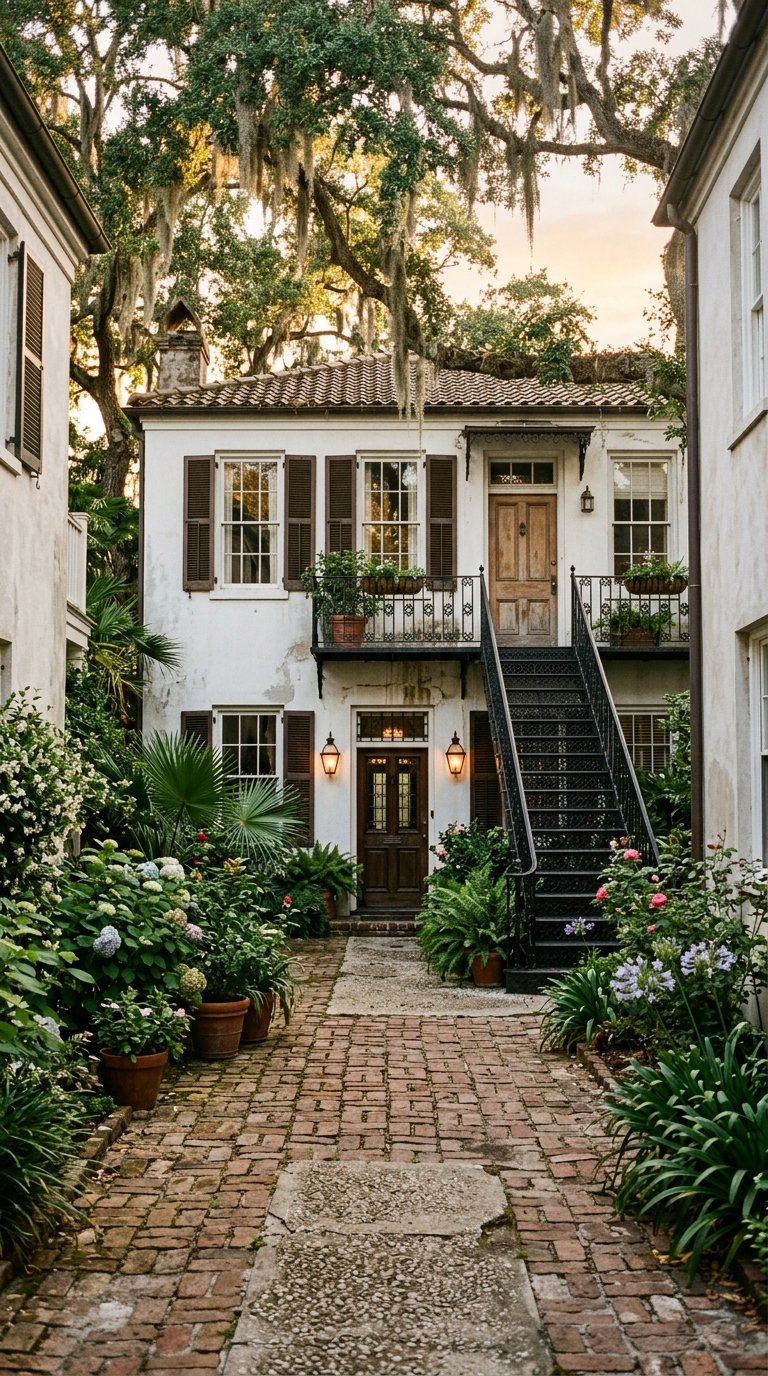
Downtown Charleston Condo vs Historic House Guide
April 16, 2026
April 16, 2026
Trying to decide between a condo and a historic home in downtown Charleston? It is a great problem to have, but it is also a choice with very different day-to-day realities. If you are weighing charm, maintenance, insurance, renovation limits, and lifestyle fit, this guide will help you sort through the tradeoffs so you can buy with more clarity. Let’s dive in.
In downtown Charleston, a condo and a historic single-family home can offer two very different ownership experiences, even if both are in walkable, highly sought-after areas. The right fit often comes down to how much control you want, how much upkeep you are comfortable with, and how you want to live day to day.
At a high level, condos usually offer shared upkeep and shared governance, while historic homes usually offer more direct control over your property but more hands-on responsibility. In Charleston, that difference becomes even more important because preservation review, flood considerations, and parking can all shape your ownership experience.
A downtown condo can be appealing if you want a more streamlined lifestyle. In South Carolina condominium regimes, the bylaws must address administration, meetings, voting, common elements and services, and payment collection under the state’s Horizontal Property Act.
That means condo ownership is not just about your unit. It is also about participating in a shared-governance structure where owners contribute pro rata toward administration, maintenance, and repair of common elements such as roofs, halls, lobbies, yards, and gardens.
For many buyers, the biggest advantage is reduced exterior responsibility. The association generally handles many exterior and common-area tasks, which can mean less day-to-day upkeep for you.
The tradeoff is that condo living comes with rules, records, and collective decision-making. The same state guidance explains that owners must comply with the bylaws, and owners also have the right to inspect books and vouchers.
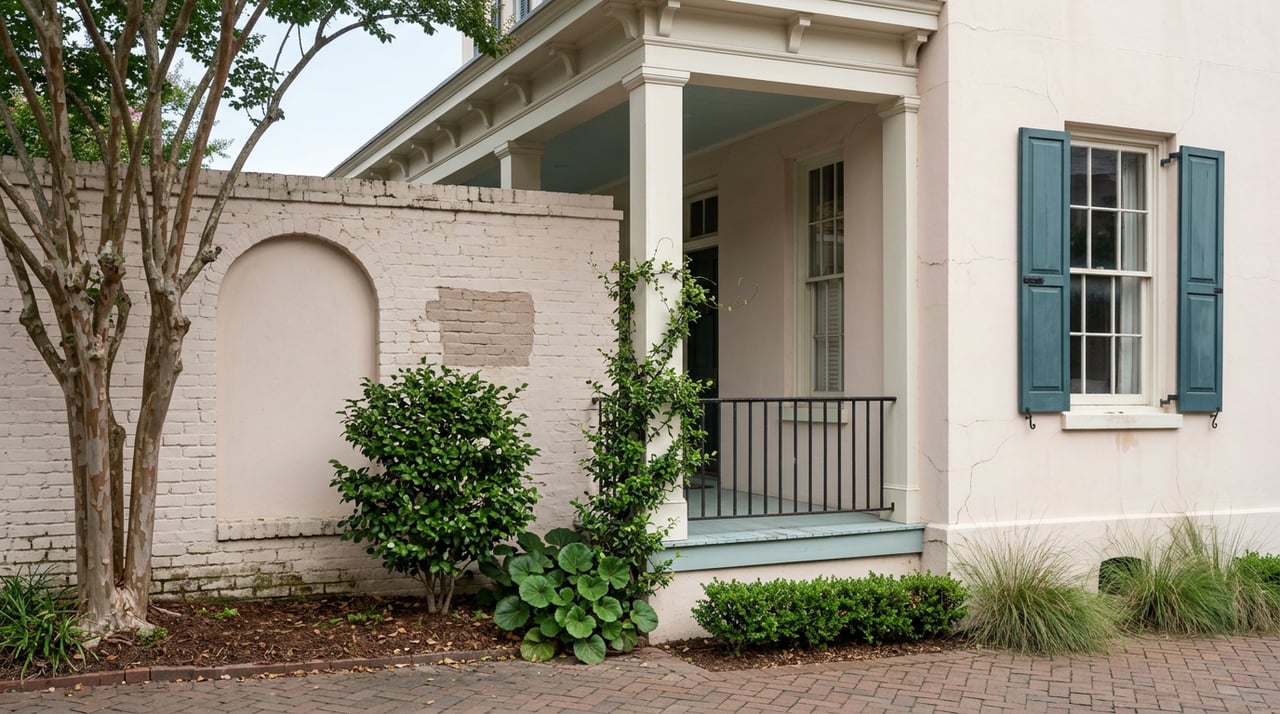
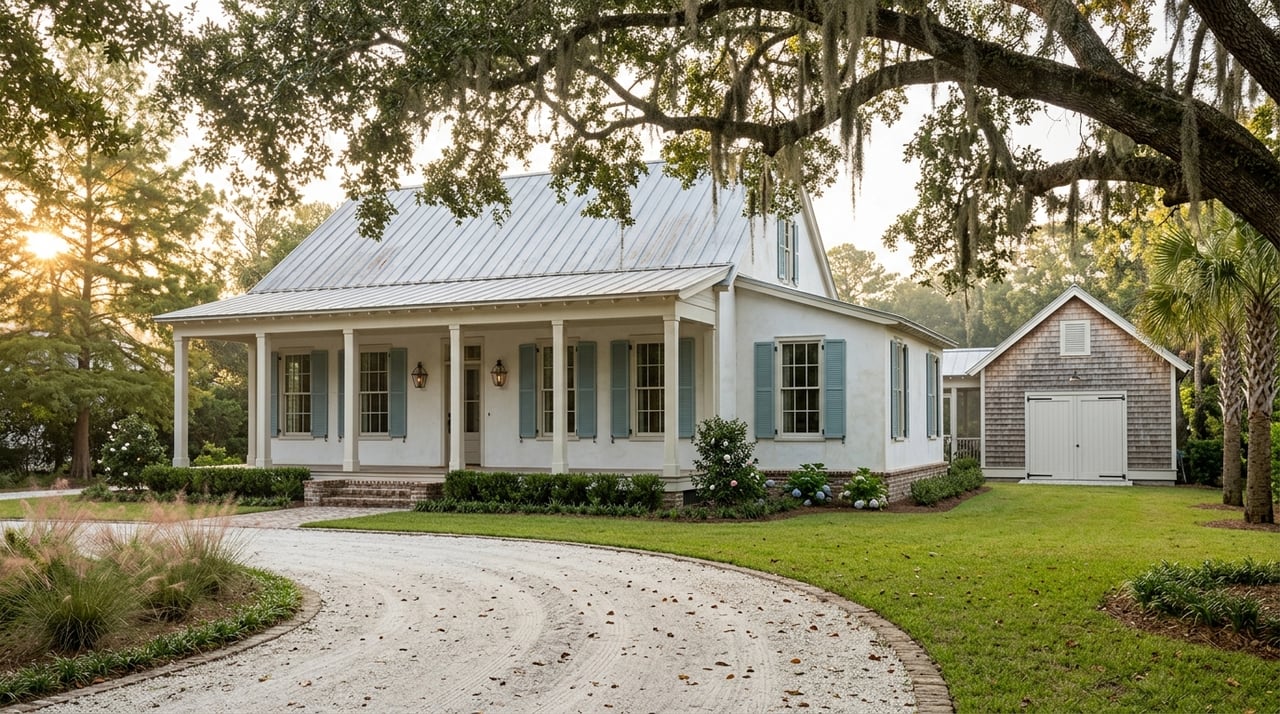
A historic single-family home offers a very different kind of ownership. In many cases, you have more direct control over the parcel itself, but exterior work may involve more review depending on where the property is located.
The City of Charleston’s Preservation and Urban Design division administers the Board of Architectural Review, or BAR, inside historic districts and Landmark Overlay properties, while the Design Review Board handles properties outside the historic districts. So before you assume what you can or cannot change, it is important to confirm which review body applies.
Within Charleston’s historic districts, the BAR reviews new construction, alterations, and renovations visible from the public right-of-way. It also reviews demolitions of buildings 50 years of age or older south of Mount Pleasant Street and demolitions within the Old and Historic District.
The city’s BAR guidelines for historic properties also say owners should check with city staff before beginning work. Those guidelines rely on the Secretary of the Interior’s Standards for the Treatment of Historic Properties, which can shape how renovations and rehabilitation are approached.
If you love architectural character and want more private space, a historic home may be the better fit. You are likely to have more direct ownership control than you would in a condo, but you should expect more personal responsibility for maintenance and a more detailed process for visible exterior changes.
This is where expectations matter. A historic home can feel deeply rewarding, but it usually asks more of you in return.
For many buyers, this is the section that makes the decision easier.
With a condo, many exterior and common-area responsibilities shift to the association. That setup can reduce the owner’s maintenance burden, though it also means following the regime’s rules and understanding how the association manages its finances and responsibilities under state law.
With a historic home, maintenance is more hands-on. The National Association of Insurance Commissioners notes that homeowners insurance is not a maintenance contract, so it does not cover ordinary wear and tear.
That point matters in older homes, where upkeep can be more specialized and rebuild costs may exceed market value. If you are considering a historic property, it is smart to think about maintenance as an ongoing ownership responsibility, not just an occasional project.
| Topic | Condo | Historic Home |
|---|---|---|
| Exterior upkeep | Often handled through the association | Usually owner responsibility |
| Common areas | Shared and maintained collectively | Not applicable in the same way |
| Rules for changes | Governed by bylaws and shared decisions | May require BAR or DRB review depending on location |
| Day-to-day effort | Often lower | Often higher |
Insurance is another area where condos and historic homes can differ in a big way, especially in coastal Charleston.
The South Carolina Department of Insurance explains that HO-6 coverage is designed for condominium owners. It typically covers personal belongings, interior improvements, and liability, while the association generally insures the building structure.
That is very different from insuring a detached historic home. For older properties, buyers often need to ask whether the policy reflects higher rebuild costs, older materials, and potential code-upgrade exposure.
The NAIC also notes that an ordinance-or-law endorsement can help cover the extra cost of rebuilding to current codes or rules. It further explains that some coastal homeowners policies may exclude windstorm and hail, so Charleston buyers should confirm whether separate wind coverage or endorsements may be needed in addition to flood coverage.
Flood risk is not just a box to check in downtown Charleston. It can affect financing, insurance, renovation planning, and your comfort level as an owner.
The NAIC states that standard homeowners policies do not cover flood damage. FEMA guidance cited in the research also says flood insurance may be required for buildings in a Special Flood Hazard Area when the lender is federally regulated, supervised, or government-backed.
Charleston defines the Special Flood Hazard Area as land with a 1% or greater annual chance of flooding. The city notes that Zones AE and VE are within the regulated SFHA, while Zone X is outside it, and it also points out that about 25% of flood-insurance claims come from low-to-moderate risk areas.
Charleston has tightened flood-related construction rules. The city says it has enforced Coastal A Zone flood design requirements for new construction and substantial improvements since January 1, 2023, and its Water Plan centers risks from tides, sea level rise, stormwater, storm surge, and groundwater.
Whether you are buying a condo or a historic house, it helps to verify the property’s flood-zone status early. The city offers Flood Hazard Information Letters to help determine a property’s flood zone and other hazards.
South Carolina’s Safe Home grant program is available for owner-occupied, single-family homes. That makes it more relevant to many historic houses than to typical condo units.
This does not mean every historic home will qualify or benefit in the same way, but it is one more reason detached-home buyers should look closely at resilience, upgrades, and available insurance-related resources.
Practical lifestyle questions matter just as much as architecture and numbers.
If you want a lower-maintenance home base with fewer exterior responsibilities, a condo may feel like a better match. That can be especially appealing if you split time between Charleston and another location, want a lock-and-leave setup, or simply prefer less involvement in exterior upkeep.
If you want more private outdoor space, a stronger sense of site ownership, and the experience of owning a detached historic property, a house may be more rewarding. Just be prepared for more maintenance, more insurance complexity, and more process around visible exterior changes if the property falls under preservation review.
Parking is a real quality-of-life issue downtown. Charleston says it created residential parking permit districts to protect residents’ access to their homes, and the program now covers much of downtown with more than 8,000 permits issued annually.
That does not make one property type automatically better than the other, but it does mean parking should be part of your home search and due diligence. A condo with assigned parking may feel very different from a historic home that relies on residential permits or a different parking setup.
If you are still unsure, ask yourself a few simple questions:
For condo buyers, the next step is usually to review the regime documents carefully, including bylaws and available records. For historic-home buyers, the next step is usually to verify flood-zone status, confirm whether BAR or DRB applies, and check for any prior approvals before making renovation plans.
In downtown Charleston, this choice is rarely just about style. It is usually a decision between predictable shared upkeep and fewer exterior obligations on one side, and more autonomy with more maintenance, insurance complexity, and preservation review on the other.
Neither option is universally better. The best choice is the one that fits how you want to live, what level of responsibility feels comfortable, and how you want to balance charm, convenience, and control.
If you want help comparing downtown Charleston condos and historic homes in a practical, property-by-property way, Marie Pohlman can help you evaluate location, ownership structure, flood considerations, and long-term fit with a clear, step-by-step approach.
If you're wanting a Real Estate Agent with exceptional communication, unwavering patience, extensive knowledge of the Lowcountry's market, and one that produces results, please don't hesitate to reach out!